몽테이블

몽테이블에 오신 것을 환영합니다! 음식에 진심인 사람이 글을 끄적거리는 공간입니다🥘

The Hidden Health Benefits of Peanut Butter: Surprising Facts Beyond Dieting
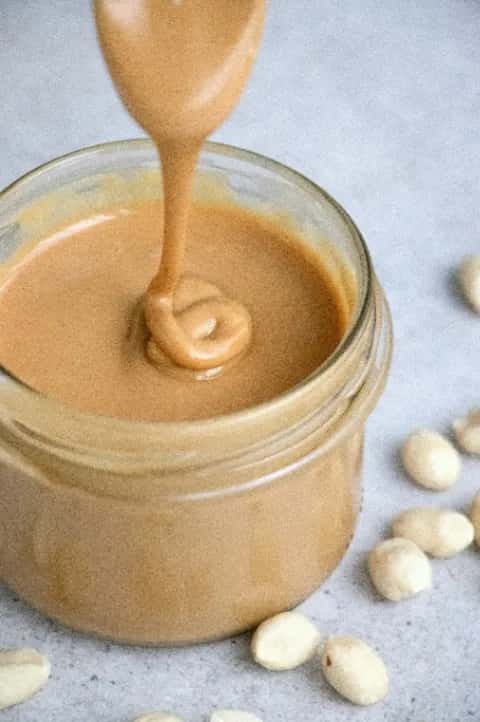
What comes to mind when you think of a spoonful of peanut butter? Its sweet, nutty flavor? Or maybe its high-calorie reputation? Many people think of peanut butter as just a “sweet spread,” but inside this small jar are nutrients that provide amazing health benefits to our bodies. In this post, let’s explore the true nature of peanut butter. It’s not just a tasty snack — it’s a nutritional powerhouse that supports our health. From weight management to diabetes prevention and cardiovascular health — we’ll dive into how peanut butter benefits your body. Of course, not all peanut butter is the same. We’ll also cover how to choose the right product and how to enjoy it more healthily.
Soy Milk – Is It Really Okay to Drink a Lot?
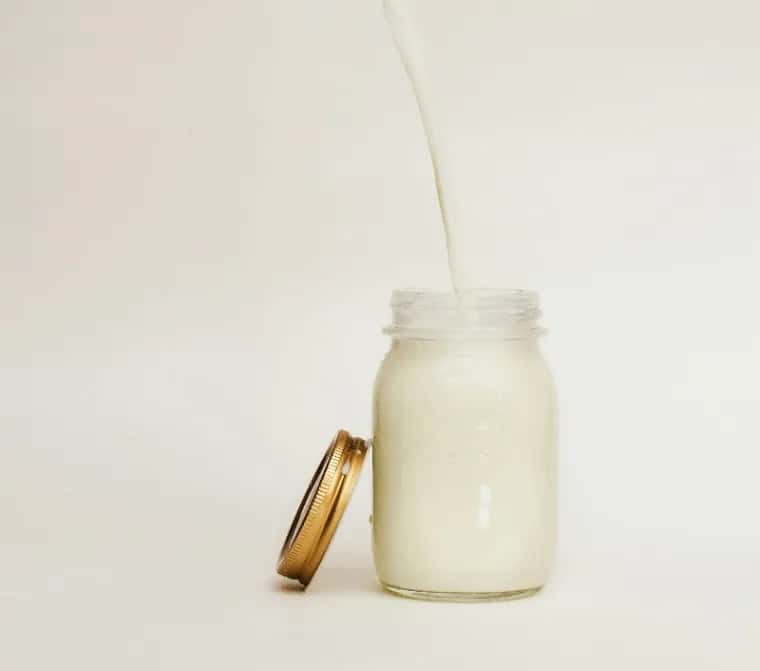
These days, more people are switching to soy milk instead of regular milk for health reasons. Its nutty flavor is appealing, and it's rich in plant-based protein, making it a popular choice for breakfast or snacks. 🥛 But have you ever wondered, “If it’s good for me, is it okay to drink a lot of it?” Today, let’s dive deeper into soy milk—a topic many are curious about. We’ll explore the benefits it can offer and whether there’s anything you should watch out for.
Why Do Eggs Smell Fishy? A Complete Guide to the Causes and How to Eliminate It!
Eggs are tasty and nutritious, but have you ever hesitated to cook them because of that strange fishy odor? This smell tends to stand out even more in soft dishes like steamed eggs, soups, and omelets, making it a bit disappointing. Even when using fresh eggs, why does this smell occur? Don't worry. This article covers everything from the cause to the solution in one go.
미개봉 식용유, 유통기한 지나도 괜찮을까?
미개봉 식용유, 유통기한 지나도 괜찮을까? 요리할 때 절대 빠질 수 없는 재료가 있다면 바로 '식용유' 아닐까요? 튀김, 볶음, 부침 요리 등 하루에도 몇 번씩 사용하다 보니 주방에 항상 구비해두는 필수품 중 하나죠. 그런데 문득 주방 선반 구석에서 잊고 있던 미개봉 식용유를 발견한 경험, 다들 한 번쯤 있으실 거예요. "이거 써도 되나?" 하고 유통기한을 확인해봤더니 날짜가 훌쩍 지나버렸네요. 😲 이럴 때 정말 난감하죠. 버리기엔 아깝고, 먹자니 왠지 찝찝하고요. 특히 최근 '유통기한'이 '소비기한'으로 바뀌면서 더욱 혼란스러운 분들이 많을 텐데요. 오늘 이 글을 통해 식용유의 유통기한과 소비기한에 대한 모든 궁금증을 시원하게 해결해 드릴게요!
Does Glass Noodles Really Make You Gain Weight? An In-Depth Look for the Health- and Diet-Conscious
Do you like glass noodles? Japchae, deep-fried seaweed rolls, sticky rice sundae… glass noodles are a staple on Korean tables. With their chewy texture and versatility, they’re a beloved ingredient among Koreans, but hearing that “glass noodles make you gain weight” might make you hesitate. Especially for those who are dieting or managing conditions like diabetes, you might wonder, “Is it okay to eat glass noodles?” Today on mongtable, we’ll break down nutritional facts, glycemic index (GI), and how to eat them right so you can enjoy glass noodles in a healthy way.
What's the Difference Between Samgyetang and Baeksuk?
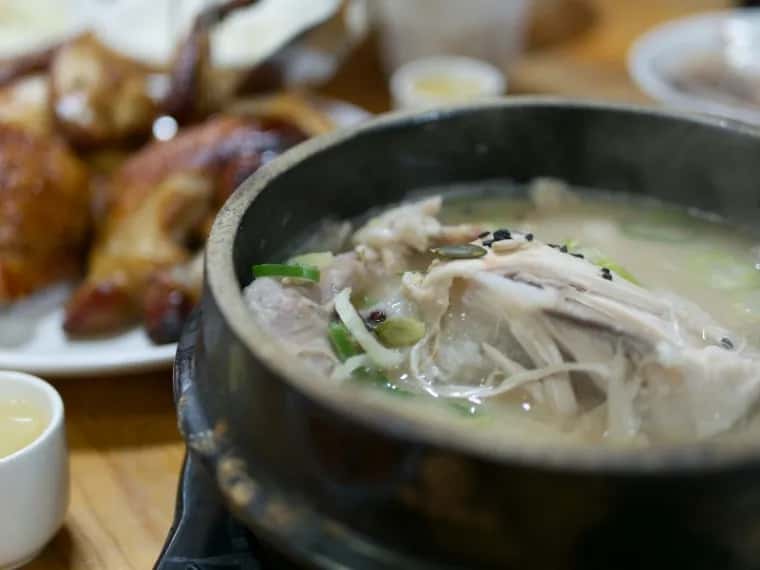
What comes to mind when you hear “chicken soup”? Many people likely imagine a steaming hot chicken dish simmered in broth. In Korea, there are two traditional chicken-based health foods that may look similar but have distinct charms: Samgyetang (蔘鷄湯) and Baeksuk (白熟) . Both dishes involve boiling a whole chicken, making them beloved nutritious meals. However, they differ clearly in ingredients and how they’re eaten. Today, let’s explore the differences between Samgyetang and Baeksuk—and when you might choose one over the other. 🤔
Do People Really Not Eat Pork Belly Abroad?: A Surprisingly Unexpected Truth
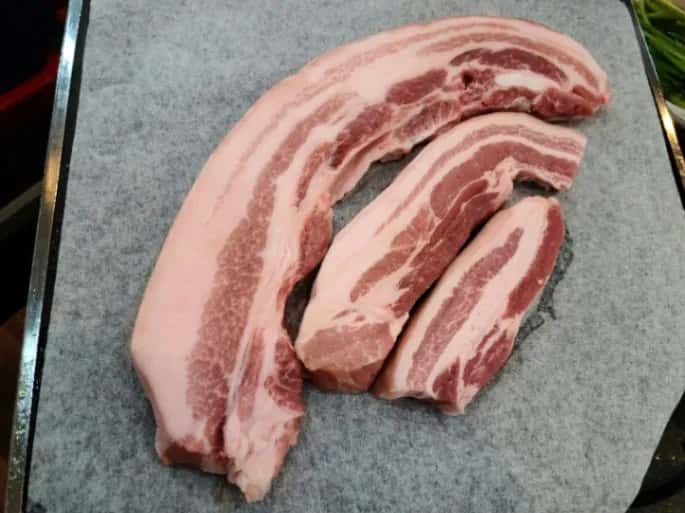
What’s your "soul food"? Originally, this term referred to the cuisine reflecting the hardship and sorrow of African Americans in the southern United States. But these days, it's more often used to mean a nostalgic dish that comforts the soul. If you ask Koreans what their soul food is, many would probably say "samgyeopsal" (pork belly). The sizzling sound of meat grilling, the company dinners where coworkers toast and unwind, the fun family meals out—pork belly is deeply rooted in various parts of Korean life. But whenever people talk about pork belly, a certain claim always comes up: "Pork belly is actually a fatty cut that Westerners throw away, but Koreans pay a lot to eat it." Is that really true? Do foreigners really avoid such delicious meat? Let’s explore and uncover the fascinating stories behind the dish we all love—samgyeopsal.
Summary of Key Differences Between Jocheong and Corn Syrup!
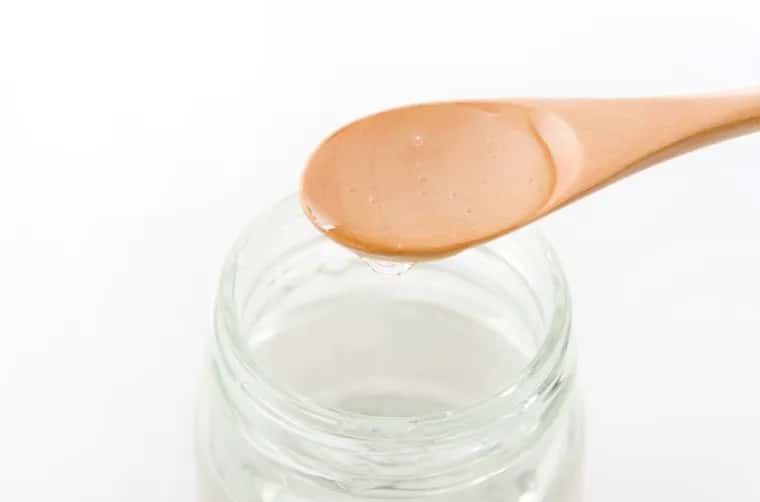
Know the Difference Between Jocheong and Corn Syrup and Use Them Properly! "Why doesn’t my home cooking taste like restaurant food?" Have you ever thought that before? Even when using the same ingredients and following the recipe, something often feels slightly off. The secret might lie in the sweeteners you're using. In Korean cooking especially, jocheong and corn syrup often appear similar but are actually quite different ingredients. So today, let’s clearly break down the differences between jocheong and corn syrup—something many people get confused about! After reading this, you’ll know exactly when to use jocheong and when to reach for corn syrup.
Everything About "Parae": Benefits, Meaning, Nutritional Value, How to Eat, and Precautions
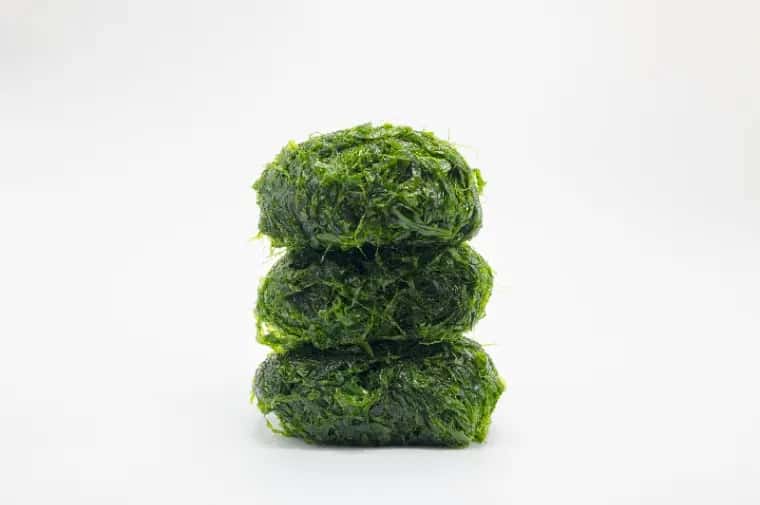
Parae, a Winter Ingredient in Korea! Do you know what kind of ingredient parae is? This green seaweed, commonly seen on Korean winter tables, is more than just a side dish—it’s packed with charm. Rich in iron, vitamins, and minerals, parae is a nutrient-dense food boasting numerous health benefits, from preventing anemia to improving oral health. In this article, we’ll take a deep dive into how parae benefits the body, how best to enjoy it, and what to watch out for when consuming it. Let’s explore the fascinating world of parae together!
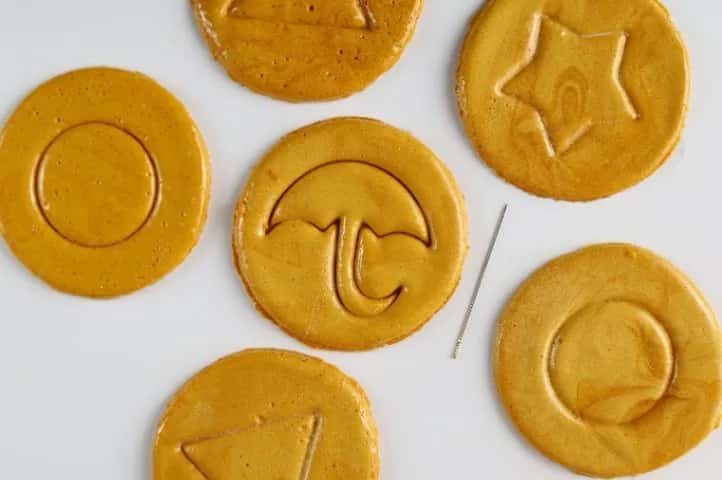
Everything About the Dalgona from Squid Game! : The Origin of Dalgona
All About Dalgona: From Its Origin to Squid Game Have you ever watched Squid Game with sweaty palms, nervously observing the Dalgona game? 🎮 Who would have thought that this simple sugar candy would capture the hearts of people around the world? Thanks to the Netflix drama Squid Game and the 2020 home café trend driven by "Dalgona coffee," Dalgona has now become a global sensation beyond Korea. More than just a sweet snack, Dalgona is a special treat that carries Korea's history and culture. Today, let’s explore the fascinating story behind this small and sweet candy—from its origins and history to how you can make it yourself at home.
Did You Know Miwon and Dashida Are Completely Different?: Differences, History, Ingredients, and Usage of Miwon and Dashida
“Why doesn’t food at home taste like it does at restaurants?” If you’ve ever cooked, you’ve probably had this thought at least once. You followed the recipe exactly, used high-quality ingredients—so what went wrong? At times like these, many people think of a “magic spoonful” of seasoning. And the two most common seasonings found in Korean kitchens are Miwon and Dashida. While both products are used to enhance umami flavor, they actually have quite different characteristics—from ingredients to usage. If you've ever been confused about when to use Miwon or Dashida, pay close attention. This article will explain the history, ingredients, and correct usage of both!
Was Cola a Medicine? Surprising Health Benefits of Cola Most People Don’t Know
Did you know that cola was originally invented as a medicine? Today, it’s a beloved beverage enjoyed worldwide, but its origins are quite different. In 1886, American pharmacist John Pemberton began selling a concoction of soda mixed with various medicinal ingredients as a digestive aid—this was the beginning of Coca-Cola. Initially called “Pemberton’s French Wine Coca,” it was reformulated and renamed “Coca-Cola” after the introduction of Prohibition, which banned alcohol. Later, entrepreneur Asa Candler purchased the formula from Pemberton and succeeded in popularizing it, transforming Coca-Cola from a pharmacy remedy into a global household staple. Today, let’s explore the fascinating dual nature of Coca-Cola—how it started as a medicine and the various effects it can have on our bodies.
몽테이블