Chopsticks in Korea, China, and Japan: Are They Different?
Chopsticks are not just eating utensils—they embody the lifestyle and culture of each country, serving as a small yet profound philosophy.
Originating in China and spreading across East Asia, chopsticks have evolved differently in shape and usage depending on the country.
These small differences reveal not only “how people eat” but also “how they live together,” reflecting each culture’s values.
🇨🇳 China – Chopsticks of “Sharing”
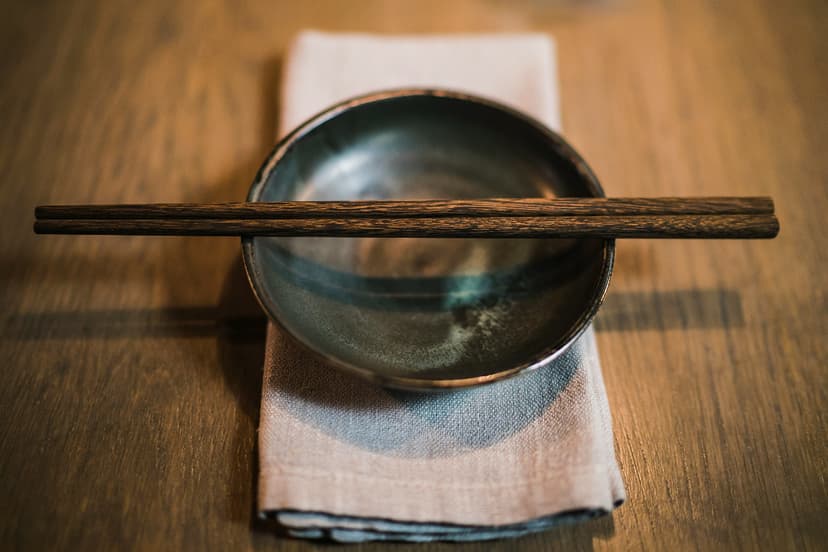
China has developed a culture of gathering around large round tables to share meals together. To make it easier to reach distant dishes, chopsticks became longer. The prevalence of fried foods also influenced their design.
Chinese chopsticks are the longest and thickest among the three countries.
Their tips are either round or flat, and they are typically made of wood or bamboo.
This is because China has a long-standing tradition of communal dining, where many people sit around a large round table and share dishes.
To reach the food in the center, chopsticks were made longer, and to provide stability when picking up fried or meaty dishes, they became thicker.
In China, chopsticks are also considered a symbol of harmony and unity.
Just as they must work as a pair, they represent cooperation and balance among people.
The round tip and square end of Chinese chopsticks reflect the ancient Chinese philosophy of “round heaven and square earth (天圓地方).” Additionally, the way two chopsticks work together to pick up food symbolizes the spirit of “collaboration.”
🇯🇵 Japan – Chopsticks of “Delicacy”
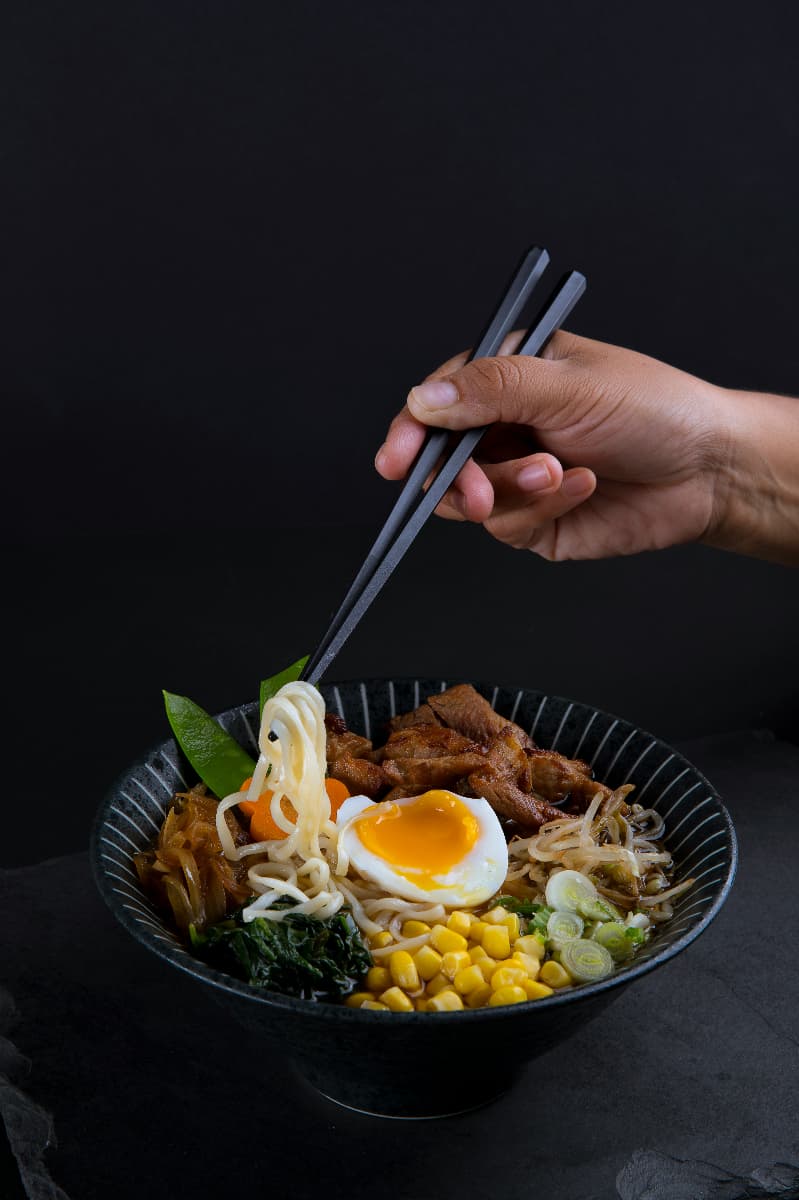
In Japan, it’s common for each person to eat from their own individual dishes. Therefore, there was no need for long chopsticks. Also, because fish and shellfish are often eaten, the chopstick tips developed to be sharp for easy deboning.
In Japan, it’s common for each person to eat from their own dish. Therefore, chopsticks didn’t need to be long. Additionally, due to the popularity of fish and shellfish, the tips of the chopsticks evolved to be sharp for easy removal of bones.
Japanese chopsticks are the shortest and pointiest of the three.
This reflects a culture centered around delicate foods like sashimi and individual dining.
The shorter length makes it easier to hold small dishes near the mouth, and the materials are typically wood or lacquerware.
Japan also has very detailed etiquette when it comes to chopstick use.
It is taboo to stick chopsticks upright into a bowl of rice or to pass food from one set of chopsticks to another.
These refined rules reflect the aesthetic of respecting food in Japanese culture.
On a baby’s 100th day after birth, Japanese families hold a ceremony called “Okuizome (お食い初め)” to wish for a lifetime without food shortage. This tradition reflects the Japanese belief that “life begins and ends with chopsticks.”
🇰🇷 Korea – Chopsticks of “Balance”
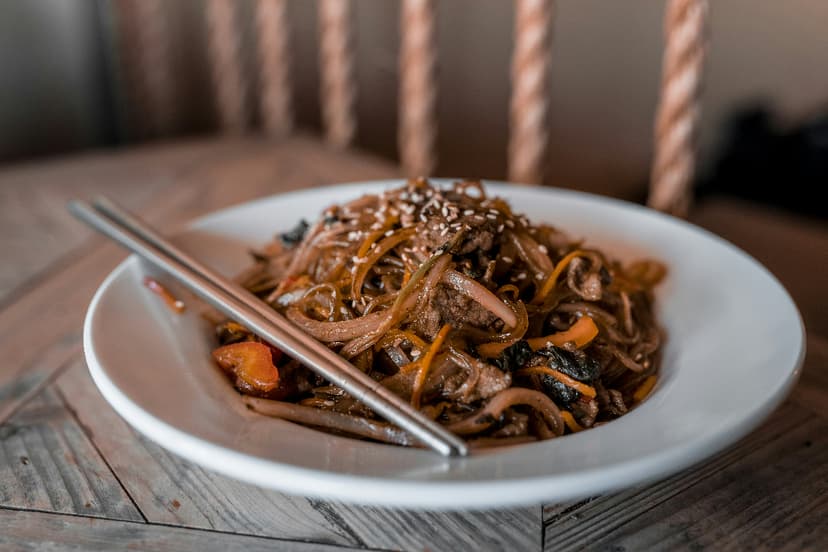
In Korea, people typically use a spoon for rice and soup, and chopsticks for side dishes—this is known as “sujeo” (spoon and chopsticks) culture. Unlike China and Japan, where rice is eaten with chopsticks, the spoon plays a central role.
Korean chopsticks are unique in that they are mostly made of metal.
This is said to originate from a legend where kings of the Joseon dynasty used silver chopsticks to detect poison.
Nowadays, stainless steel is widely used for its hygiene and durability.
Korea is the only country with a sujeo culture, where chopsticks and spoons are used together.
People naturally developed the habit of eating rice and soup with a spoon, and side dishes with chopsticks.
This practice aligns with the Korean etiquette of not lifting bowls while eating hot rice.
Korean chopsticks are flat and slippery, making them difficult for beginners.
But this also means they require precise control and fine motor skills.
This is why foreigners often perceive Koreans as being highly skilled at using chopsticks.
During the Joseon dynasty, the king used silver utensils to check for poison, and aristocrats used brass spoons as symbols of wealth. During the Korean War, it’s said that recycled military tin cans were used to make utensils, leading to the popularity of metal tableware.
✨ Chopsticks: A Mirror of Culture
| Country | Length/Shape | Material | Cultural Traits |
|---|---|---|---|
| China | Long and thick | Wood/Bamboo | Shared dining culture |
| Japan | Short and pointed | Wood/Lacquer | Individual meals, delicate dishes |
| Korea | Medium length, flat | Metal | Spoon pairing, hygiene & balance |
Chopsticks are simple utensils, yet they embody lifestyle, social structure, and aesthetics.
China’s long chopsticks represent the spirit of sharing, Japan’s short ones reflect delicacy and etiquette,
and Korea’s flat chopsticks express balance and practicality.
🙇♂️ Table Manners Vary by Country
Chopstick etiquette reflects cultural values across countries.
- Shared Taboos: Stabbing food with chopsticks, tapping them on bowls, or sticking them upright in rice is considered rude in all three countries.
- China: Elders begin the meal first, and sharing food with others fosters bonds.
- Japan: Passing food between chopsticks is taboo due to its link to funeral rites. Holding the bowl with one hand and chopsticks with the other is polite.
- Korea: Do not hold a spoon and chopsticks at the same time or lift rice/soup bowls while eating.
In Conclusion
Even a simple pair of chopsticks carries centuries of culture.
The same tool has evolved differently based on what each culture values.
Next time you sit down at the table, take a closer look at your chopsticks.
They might not just be utensils, but a piece of your cultural identity.