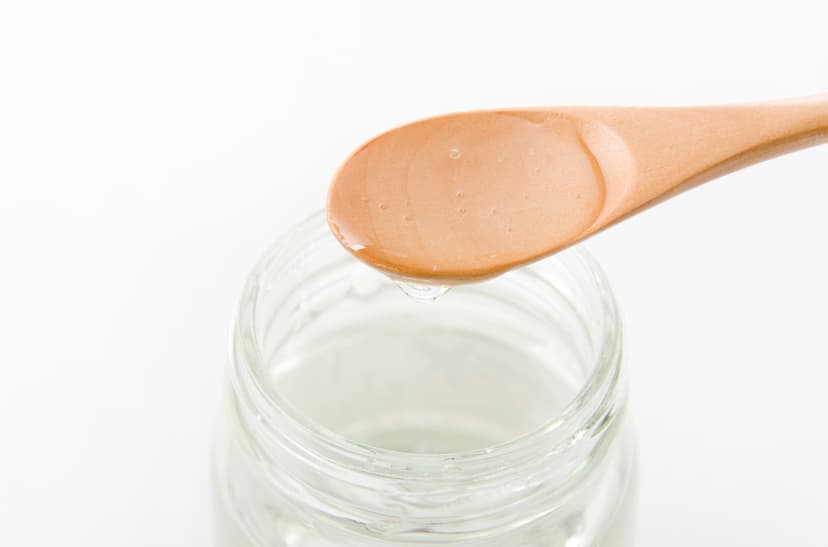
Summary of Key Differences Between Jocheong and Corn Syrup!
Know the Difference Between Jocheong and Corn Syrup and Use Them Properly!
“Why doesn’t my home cooking taste like restaurant food?” Have you ever thought that before? Even when using the same ingredients and following the recipe, something often feels slightly off. The secret might lie in the sweeteners you’re using. In Korean cooking especially, jocheong and corn syrup often appear similar but are actually quite different ingredients.
So today, let’s clearly break down the differences between jocheong and corn syrup—something many people get confused about! After reading this, you’ll know exactly when to use jocheong and when to reach for corn syrup.
What is Jocheong (조청)?
Jocheong is a traditional Korean sweetener made by fermenting grains like rice or barley with malt and simmering it for a long time. It contains the natural sweetness and nutrients of grains without any artificial additives.
-
Traditional production method: Rice is cooked and fermented with malt, then slowly simmered in a large pot over time. It’s not bleached or refined, so the nutrients from the grains remain intact.
-
Ingredients and characteristics: Typically made with rice, but brown rice or mixed grains can be used. It’s dark brown in color and relatively thin in texture, with a deep, complex flavor. It doesn’t just provide sweetness but adds a nutty aroma and depth that elevates dishes.
-
Main uses: Thanks to its rich flavor, it’s used for dipping rice cakes or making traditional sweets. It can also enhance the flavor of braised or stir-fried dishes with a subtle sweetness.
What is Corn Syrup (물엿)?
Corn syrup is a modern sweetener made by breaking down corn or sweet potato starch with enzymes or acid. It’s a modified version of jocheong for mass production.
-
Modern production method: Extracted starch from grains like corn is fermented on a large scale. It’s highly refined, so it’s nearly free of impurities and is transparent in color.
-
Ingredients and characteristics: Primarily made from corn starch. It’s clear and sticky, with higher viscosity than jocheong, making it effective for adding shine to dishes. Unlike jocheong, it doesn’t have a complex flavor—just a strong, clean sweetness.
-
Main uses: Due to its clean taste and glossy finish, it’s widely used in stir-fries, braises, and salads. It’s perfect for dishes like stir-fried anchovies or braised pork and potatoes that need a glossy appearance.
Key Differences Between Jocheong and Corn Syrup at a Glance
| Category | Jocheong | Corn Syrup |
|---|---|---|
| Production | Traditional method: fermenting and simmering grains with malt | Modern mass-production: breaking down starch with enzymes or acid |
| Main Ingredient | Rice, barley, etc. | Corn starch |
| Flavor & Aroma | Nutty, deep, complex sweetness | Strong, clean sweetness, no aroma |
| Color & Texture | Dark brown and relatively thin | Transparent and thick, sticky |
| Cooking Uses | Rice cakes, traditional sweets, enhancing flavor in braises | Stir-fries, braises, salads needing gloss |
In conclusion, if you want to add depth of flavor and a subtle sweetness, go for jocheong. If you want clean sweetness and a glossy finish, corn syrup is the better choice.
Which One Is Healthier?
Jocheong and corn syrup differ in terms of health as well.
Jocheong is made from unrefined grains and retains nutrients like minerals and vitamins. Traditionally, it was considered a good source of nutrition for people with low energy or blood sugar.
On the other hand, corn syrup consists mainly of maltose, which breaks down into glucose during digestion and raises blood sugar quickly. Its glycemic index (GI) is relatively high. While it delivers sweetness cleanly, it offers fewer nutritional benefits than jocheong.
Of course, overconsumption of any sweetener isn’t good. Use them in moderation according to the dish and your health needs.
Now Cook with Confidence!
Now you fully understand the difference between jocheong and corn syrup, right? 🧐
They’re more than just sweeteners—they’re key ingredients that shape the overall flavor of your dishes. So understanding their unique traits and using them properly is essential.
When you want a nutty aroma and deep flavor, elevate your dish with jocheong. When you need shine and a clean sweetness, enhance your cooking with corn syrup. These small choices can make your meals richer and more delicious!