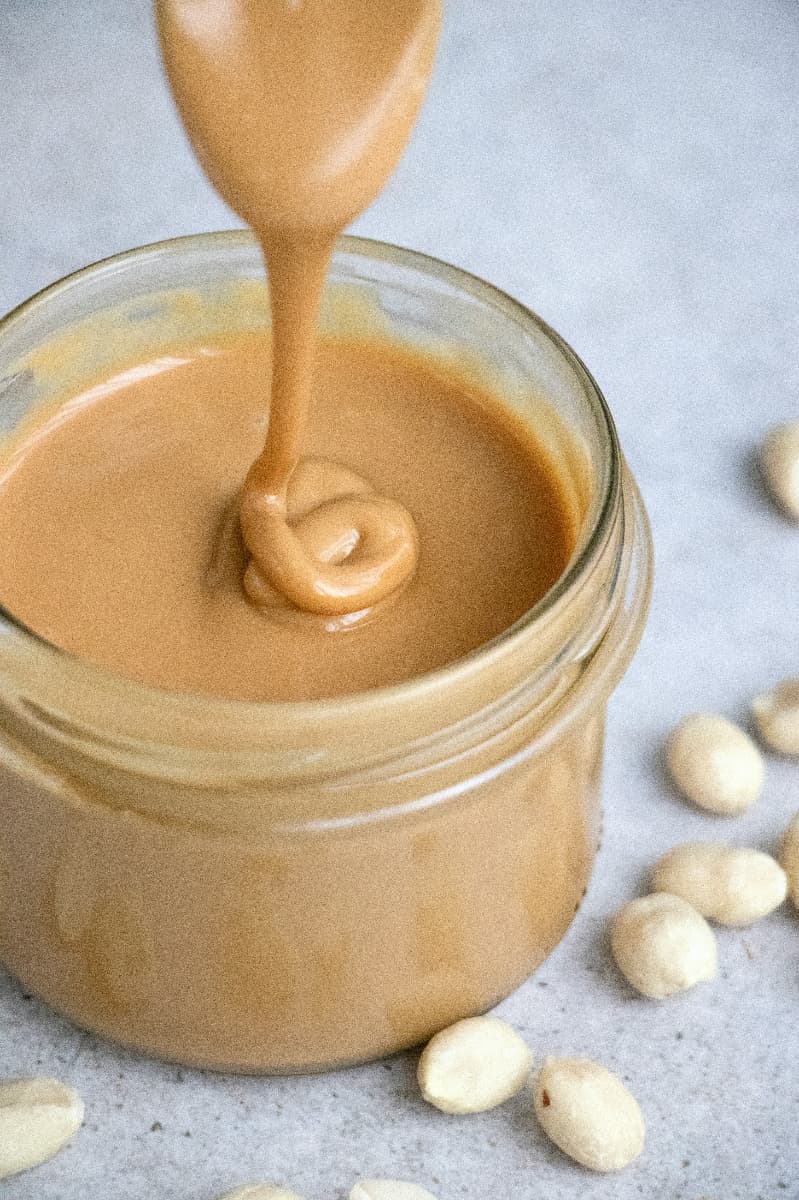
The Hidden Health Benefits of Peanut Butter: Surprising Facts Beyond Dieting
What comes to mind when you think of a spoonful of peanut butter?
Its sweet, nutty flavor? Or maybe its high-calorie reputation?
Many people think of peanut butter as just a “sweet spread,”
but inside this small jar are nutrients that provide amazing health benefits to our bodies.
In this post, let’s explore the true nature of peanut butter.
It’s not just a tasty snack — it’s a nutritional powerhouse that supports our health.
From weight management to diabetes prevention and cardiovascular health —
we’ll dive into how peanut butter benefits your body.
Of course, not all peanut butter is the same.
We’ll also cover how to choose the right product and how to enjoy it more healthily.
🧬 The Impressive Nutritional Profile of Peanut Butter
What nutrients are found in two tablespoons (about 32 g) of peanut butter?
You might be surprised by how nutrient-rich it really is.
A Great Source of Protein
Two tablespoons of peanut butter contain 8 g of protein —
similar to one egg.
It’s an excellent plant-based protein option, especially for those avoiding animal products.
A Balance of Healthy Fats
The fat composition in peanut butter is similar to olive oil.
It has a much higher ratio of unsaturated fats than saturated fats,
which is beneficial for heart health.
Among unsaturated fats,
it’s rich in both monounsaturated and polyunsaturated fats,
which help improve vascular elasticity and manage cholesterol levels.
Essential Vitamins and Minerals
Peanut butter contains the following key nutrients:
- Magnesium → Important for blood sugar regulation and muscle function
- Folate → Essential for cell division and DNA synthesis
- Dietary fiber → Supports digestive health and satiety
- Arginine → An amino acid that aids in blood vessel dilation
❤️ The Health Benefits of Peanut Butter
A Supportive Ally for Weight Management
“Peanut butter helps with weight loss?”
It may sound surprising, but research backs this up.
One study compared two groups on calorie-restricted diets:
The group that consumed peanut butter lost an average of 7.2 kg over 6 weeks,
while the group that didn’t lost 6.5 kg.
Even more surprising, the peanut butter group reported feeling fuller for longer.
The combination of protein, healthy fats, and fiber
helps reduce hunger and overall calorie intake.
A Powerful Tool for Diabetes Prevention
According to a large study published in JAMA (Journal of the American Medical Association),
women who ate peanut butter five or more times per week
had a 21% lower risk of developing type 2 diabetes than those who rarely ate it.
This impressive effect is thanks to the following components 👇
Monounsaturated fats: Improve insulin resistance
Dietary fiber: Helps reduce blood sugar spikes
Magnesium: Enhances insulin sensitivity
Cardiovascular Health Support
Unsaturated fats, arginine, folate, and magnesium
are all essential for maintaining vascular health.
Multiple studies consistently show that people who regularly consume nuts have a lower risk of coronary artery disease.
Nut-rich diets also positively affect blood lipid levels.
⚠️ Things to Watch Out For
High Caloric Density
The biggest drawback of peanut butter is its calorie content.
One tablespoon has about 90 kcal — two tablespoons is 180 kcal.
Moderation is key.
The Trap of Additives
Many store-bought peanut butters contain unhealthy additives:
- Sugar → Adds unnecessary calories
- Hydrogenated oils → Contain trans fats that increase heart risks
- Preservatives → Some may pose cancer risks
One French study found that certain additives increased cancer risk by 46%.
Pesticide Residues
Conventionally grown peanuts are often exposed to pesticides, insecticides, and fungicides.
They may also be exposed to herbicides during crop rotation or if GMO peanuts are used.
Allergic Reactions
Peanut allergies can cause life-threatening reactions.
If you’re allergic, do not consume it under any circumstances.
🛒 How to Choose Healthy Peanut Butter
Always Check the Ingredient List
The key to good peanut butter lies in the ingredient label.
Ideal products include:
- 100% peanuts only
- Or peanuts + salt only
Avoid products with added sugar, hydrogenated oils, or preservatives.
Choose Organic If Possible
Whenever you can, choose organic peanut butter.
Products made with organic Valencia peanuts
are generally lower in mold toxins and other potential contaminants.
Oil Separation Is Natural
Good peanut butter may have oil floating on top.
This is a natural sign that no additives are present.
Just stir it well before eating.
🥗 How to Incorporate Peanut Butter into a Healthy Diet
Recommended Intake
About 1–2 tablespoons (15–30 g) per day is appropriate.
This amount offers health benefits
without adding too many extra calories.
Healthy Pairings
To enjoy it even more healthily, try these combinations 👇
- Greek yogurt + berries → Protein + antioxidants
- Apple slices → Fiber + satiety
- Whole grain bread → Balanced with complex carbs
- Banana → Great as a post-workout snack
Supplement, Don’t Replace Meals
Using peanut butter in place of refined grains or processed meats
can increase nutrition while controlling calories.
Timing Matters Too
Peanuts may raise insulin levels,
so it’s best to avoid eating them late at night.
Morning or post-workout consumption is more effective.
❓ Frequently Asked Questions (FAQ)
Q1. Is it okay to eat peanut butter every day?
Yes, eating 1–2 tablespoons daily is perfectly fine.
In fact, regular intake may help prevent diabetes.
Q2. Can I eat it while dieting?
Absolutely.
Studies show that it helps with weight loss.
Just be sure to balance your overall calorie intake with other foods.
Q3. What brand is best?
More important than the brand is the ingredient list.
If it contains only “100% peanuts” or “peanuts + salt,” it’s a good choice.
Q4. Can kids eat it?
If they’re not allergic, yes.
But be cautious — children under 3 may be at risk of choking.