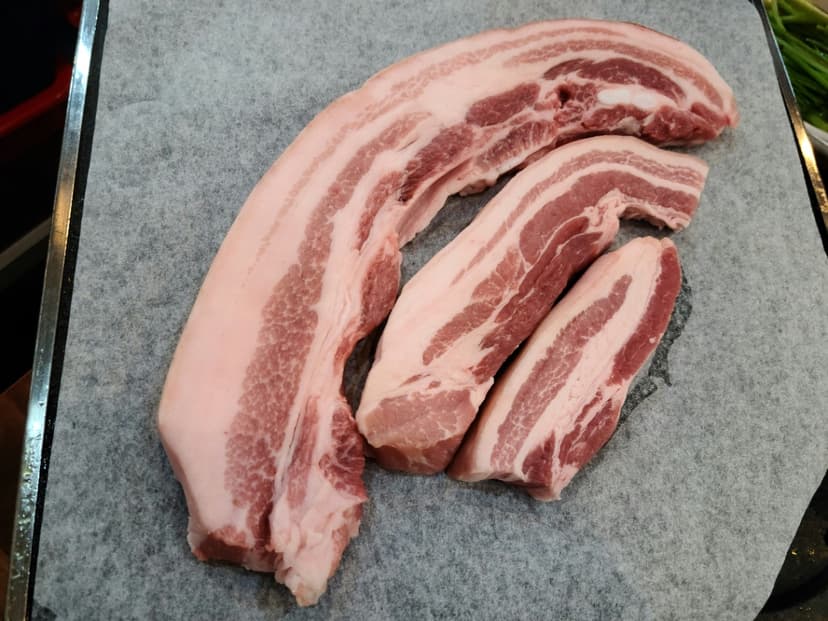
Do People Really Not Eat Pork Belly Abroad?: A Surprisingly Unexpected Truth
What’s your “soul food”? Originally, this term referred to the cuisine reflecting the hardship and sorrow of African Americans in the southern United States. But these days, it’s more often used to mean a nostalgic dish that comforts the soul. If you ask Koreans what their soul food is, many would probably say “samgyeopsal” (pork belly). The sizzling sound of meat grilling, the company dinners where coworkers toast and unwind, the fun family meals out—pork belly is deeply rooted in various parts of Korean life.
But whenever people talk about pork belly, a certain claim always comes up: “Pork belly is actually a fatty cut that Westerners throw away, but Koreans pay a lot to eat it.” Is that really true? Do foreigners really avoid such delicious meat? Let’s explore and uncover the fascinating stories behind the dish we all love—samgyeopsal.
The Origin of Samgyeopsal, Korea’s Soul Food
Today, it’s treated like gold and nicknamed “geumgyeopsal” (gold pork belly), but pork belly wasn’t always beloved by the Korean public. In fact, its beginnings were rather humble.
In the past, Japan mainly imported pork loin and tenderloin for making tonkatsu, and one of its major suppliers was Korea. However, in 1995, an outbreak of foot-and-mouth disease in Taiwan—another major supplier—led Japan to ban Taiwanese pork. This opened the door for more Korean loin and tenderloin exports to Japan.
Naturally, other parts of the pig—especially the fatty belly cuts—began to accumulate domestically. Back then, people didn’t differentiate meat by cut like today, nor did they clearly distinguish between protein and fat. To deal with the surplus pork belly, the phrase “pork belly with a shot of soju” began spreading like a trend. Thanks to its affordability, it gained popularity among laborers at mines and construction sites, as well as street vendors. The emerging portable gas stove also helped pork belly’s popularity soar. Grilled pork belly became the go-to dish for working-class people, both for casual dining and company dinners.
The Biggest Misconception About Pork Belly
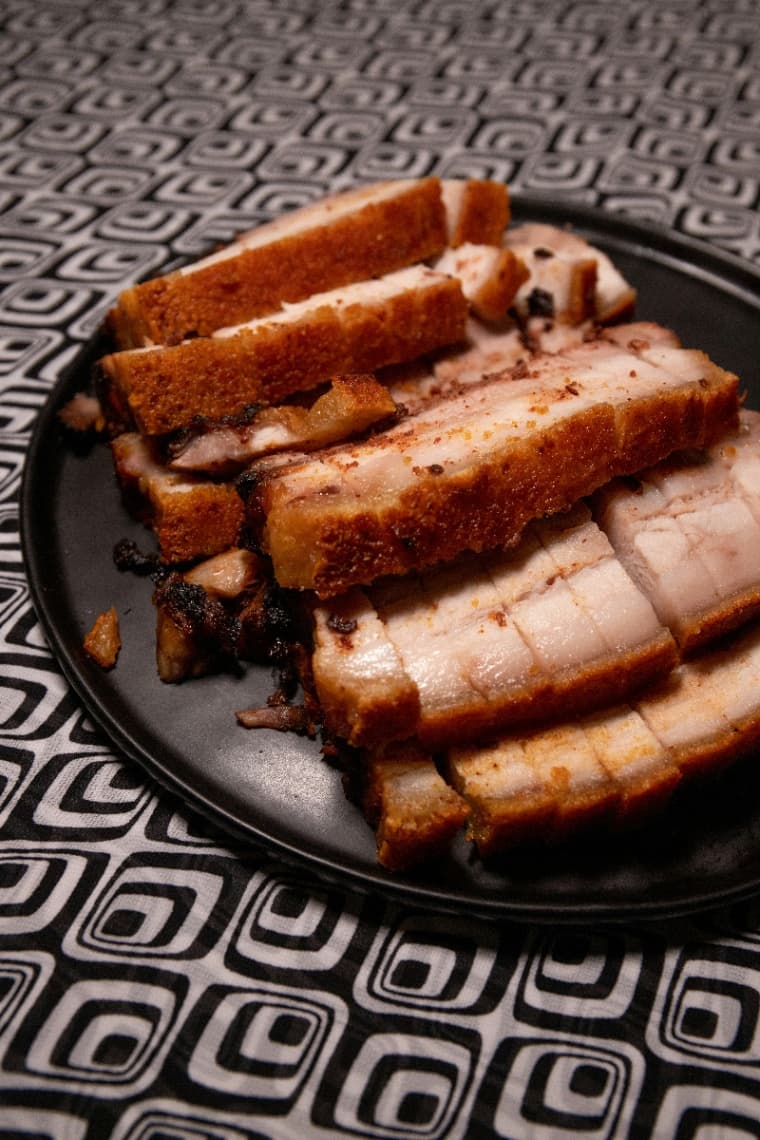
Is it true that “Westerners throw away pork belly”? To put it simply—no, it’s not.
In Western cuisine, especially among pork-loving cultures, there’s a term called “Nose to Tail.” It means using every part of the pig without waste. Dishes made from what we might consider “off-cuts”—like skin, blood, organs, and bones—are common across many cultures worldwide.
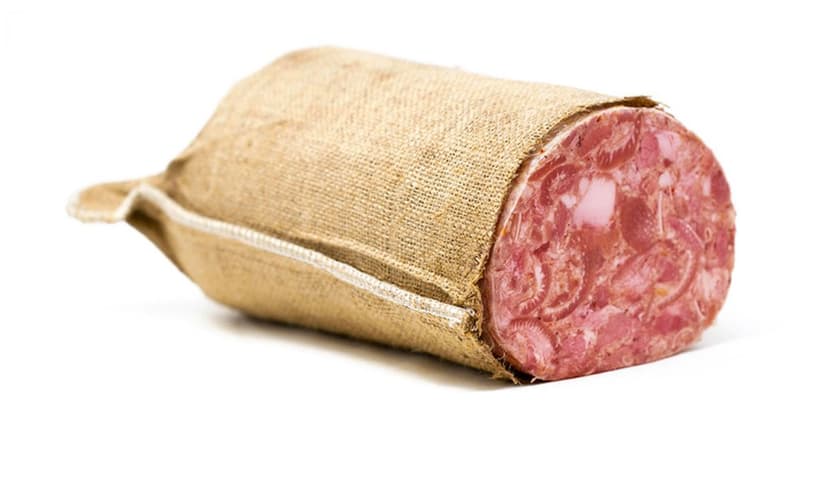
For example, Italy’s “coppa di testa” is made by pressing the pig’s head, much like Korea’s pork head meat (muk-eun-ji). The Italian sausage “zampone,” made from pig’s feet, also resembles Korea’s jokbal (braised pig’s feet). So, people in other countries do eat similar parts—just in different ways.
The main difference lies in preparation. Koreans prefer thin slices of raw pork belly grilled directly over fire. In the West, it’s typically cured or smoked before consumption. A prime example is “bacon”—salted and smoked pork belly created for preservation. In Italy, salted pork belly is called “pancetta,” which is sliced thin for sandwiches or used to add umami to various dishes.
So no, pork belly is not discarded. It’s consumed in diverse ways depending on cultural preferences and cooking styles.
Korea’s Influence on the Global Pork Market
Korea’s extraordinary love for pork belly has significantly impacted the global pork industry. While the domestic pig population increased tenfold from 1 million in the 1970s to 10 million in the 2000s, it still couldn’t meet the surging demand. Korea began importing pork belly from abroad.
Interestingly, countries like Chile and Spain even changed their production methods to cater to Korean demand.
-
Chile: Originally, Chile trimmed the outer fat from pork sides and sold only the lean meat as rib meat. But due to Korean demand, they began packaging and exporting the meat with the fat intact. This reduced labor and increased weight—“killing two birds with one stone.” Now, Korea accounts for 25% of Chile’s pork exports, and nearly all of their pork belly and shoulder cuts go to Korea.
-
Spain: In Spain, locals mainly consume rib meat called “tostilla.” But for Korea-bound exports, they leave the side fat intact and only remove the rib bones to make the cut thicker. Since Koreans pay more, they even hire extra workers to debone it.
Thanks to Korea—dubbed “the strange Eastern country that eats pork belly”—these nations have tapped into new markets and earned significant profits. These days, the phrase “pork belly is cheap overseas” is no longer true.
Why Is Pork Belly So Delicious?
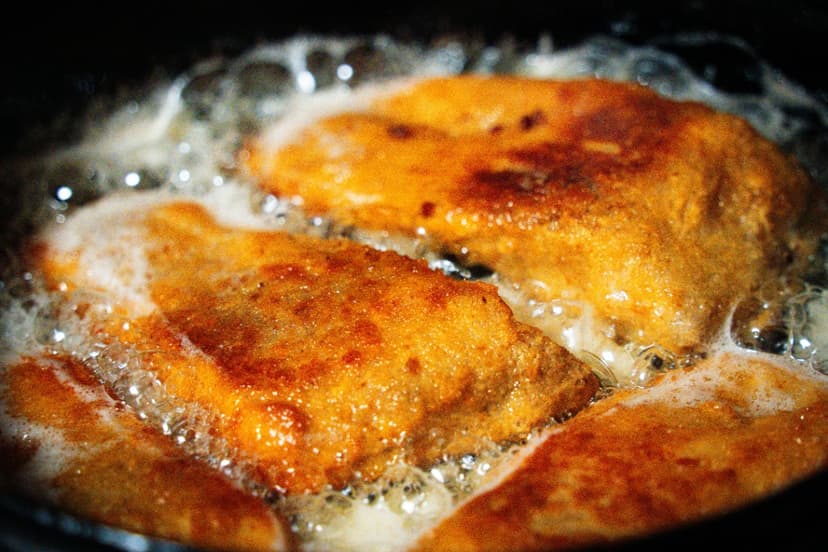
The secret lies in the fat. According to Harold McGee, known as the “kitchen chemist,” the flavor we associate with meat actually comes from the fat, not the lean part. Fat not only makes meat tender but also adds rich, sweet, and savory flavor. It’s why marbled beef is so expensive.
Of course, there are health concerns like benzopyrene—a carcinogen that forms when meat is burnt. But as long as you avoid burning the meat and ventilate well, there’s little to worry about.
The Dark Side of Our Pork Belly Obsession
Behind Korea’s intense love for pork belly lies a darker reality. The domestic pork industry began using extreme methods to increase pork belly yields.
-
Selective Breeding: Breeds with abnormally long torsos and extra ribs were imported to increase belly fat volume.
-
High-Calorie Feed: Pigs were fed high-fat feed, including animal fat like beef tallow, to boost abdominal fat.
-
Growth Acceleration: Piglets were castrated early and given growth hormones to hasten maturity.
Such intensive farming methods went against the global trend of low-fat, low-calorie meat. Purely profit-driven greed led to the rise of “black pork belly”—a public health concern.
Pork Belly Tastes Better When You Know Its Story
In the end, the claim “only Koreans eat pork belly” is half-true. Pork belly is consumed in many countries in various forms—like bacon or pancetta. But grilling it at the table and wrapping it in lettuce is uniquely Korean.
A single bite of pork belly carries a story—from the working-class roots of post-war Korea to its economic power on the global pork market, and even the ethical issues of industrial meat production.
So next time you’re about to dig into some grilled pork belly, take a moment to think about its journey. When you understand the path this beloved food has taken, it might taste even more special.