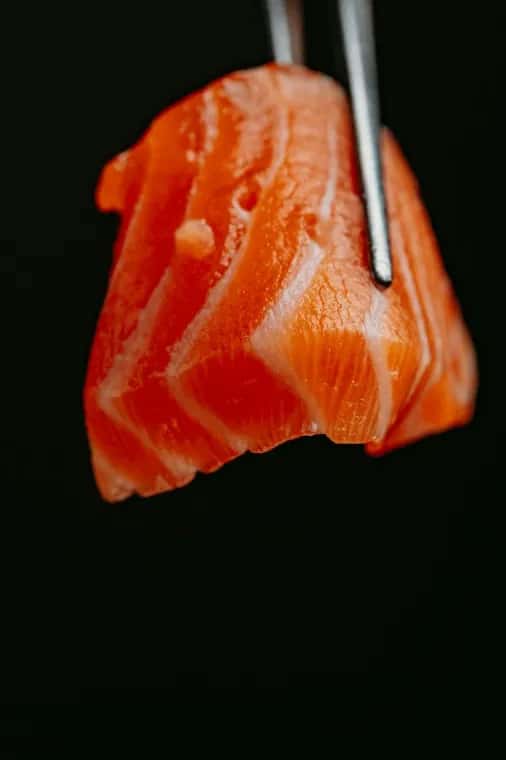
We’ve compared smoked salmon and raw salmon in detail — from taste and nutritional content to storage methods. Check out this guide to choose the salmon that suits you best. Do you like salmon? In recent years, it’s become a regular feature on our dining tables. From salad toppings to rice bowls, you can find it in a wide variety of dishes. But at the supermarket, you might notice labels like “smoked salmon” and “raw salmon.” They're both salmon, so what exactly is the difference? Is it just the processing method, or do the flavor and nutrition differ too? Today, let’s take a closer look at the differences between smoked salmon and raw salmon.
몽테이블
몽테이블에 오신 것을 환영합니다! 음식에 진심인 사람이 글을 끄적거리는 공간입니다. 🥘
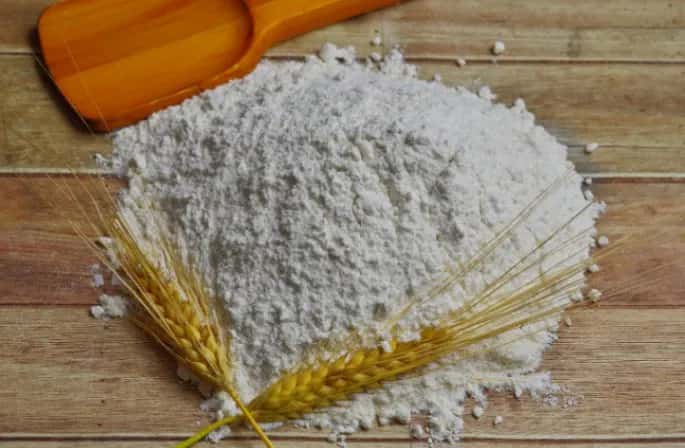
Can you really substitute all‑purpose flour for bread flour? In this guide, we’ve collected the characteristics and uses of different flours, along with the principles of gluten formation, all in one place. Say you want to bake bread at home, but the recipe calls for bread flour and all you have is all‑purpose. Or you might think, “Isn’t flour just flour?” If so, this article is for you. The type of flour you use can completely change the outcome of your cooking or baking. Flour is not just ground grain. Depending on its protein content and gluten‐forming ability, it is classified into bread flour, all‑purpose flour, and cake flour—and each has very different properties and applications. Using the wrong flour can lead to failures—bread that won’t rise, cookies that turn out hard, etc.
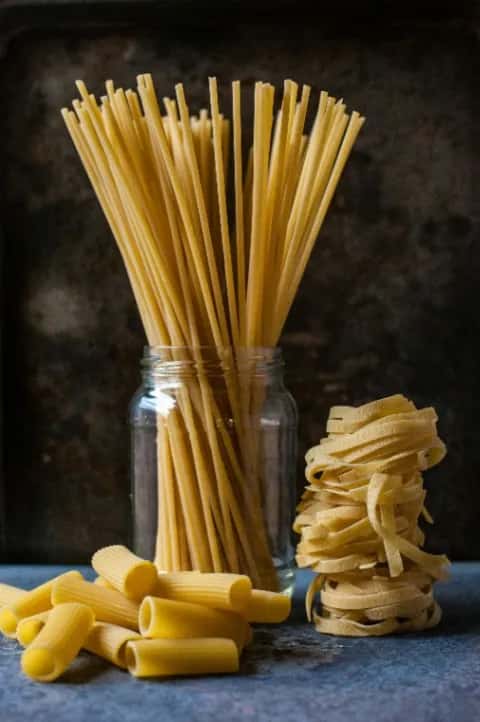
Pasta | Dried vs Fresh: Key Summary
몽4 min read
These days, when walking around your neighborhood, you’ll often spot an Italian restaurant. Pasta has become an extremely familiar dish to us. But have you ever wondered, “Why doesn’t my homemade pasta taste like the one at a restaurant?” You use good ingredients and follow the recipe, yet something is missing. That difference might lie in the noodles themselves. The long shelf‑life pasta we commonly buy at supermarkets is called dried pasta, while the fresh, moist pasta used in restaurants is called fresh pasta. So which is superior — dried or fresh? In truth, there’s no one “best” answer. The right choice depends on what sauce you use, what texture you prefer, and your cooking style. Today, let’s dive deep into the differences between dried and fresh pasta, and figure out which is better suited for different situations! 🧐
A Detailed Comparison of Hondashi vs. Dashida If you’ve ever cooked soup or stew, you’ve probably heard of Hondashi and Dashida. Both are popular seasoning powders used to enhance broth flavors—but what’s the difference? Hondashi is from Japan, while Dashida originates from Korea. Though they both add umami depth to dishes, their ingredients, flavors, and usage are quite different. In this guide, we’ll explore those differences and help you decide which to use based on your cooking needs.
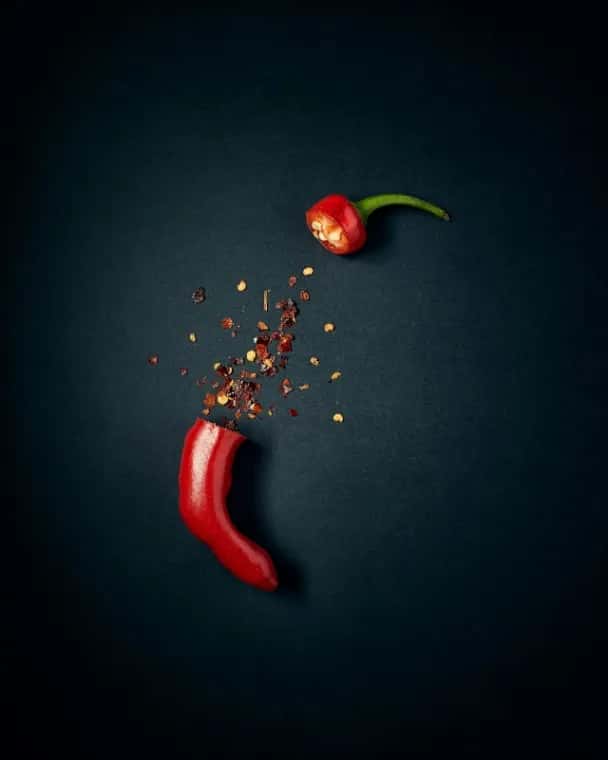
Peperoncino and Vietnamese Chili Are Different! Ever wondered which chili to use when you want to add a spicy kick to your dish? Peperoncino and Vietnamese chili are both popular spices used in many cuisines. While they may look similar, their flavor, heat level, and culinary uses are quite different. Let’s explore the differences between Peperoncino and Vietnamese chili. 🌶️
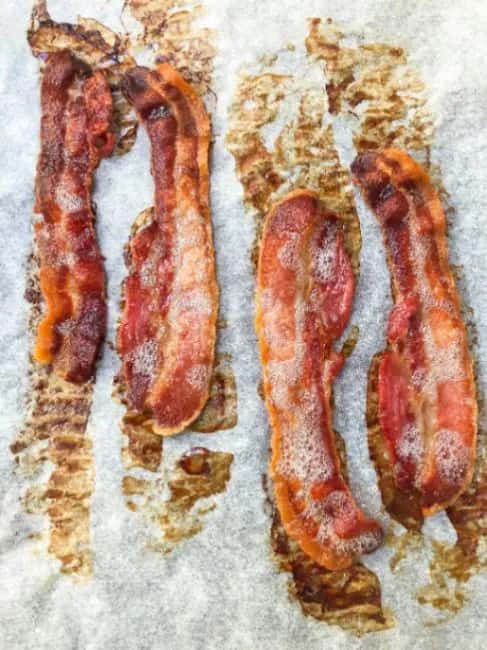
Do you love Italian cuisine? If so, you’ve probably heard of pancetta and guanciale at least once. But have you ever wondered what exactly they are—and how they differ? These two ingredients are staples in Italian cooking, especially in famous pasta dishes like carbonara and amatriciana. However, many people aren’t quite sure how to distinguish between the two, or which one to use in different cooking scenarios. Today, let’s explore the key differences between pancetta and guanciale, their characteristics, and how to use them in your cooking. By the end of this post, you’ll confidently know which one to choose for your next Italian dish! ---