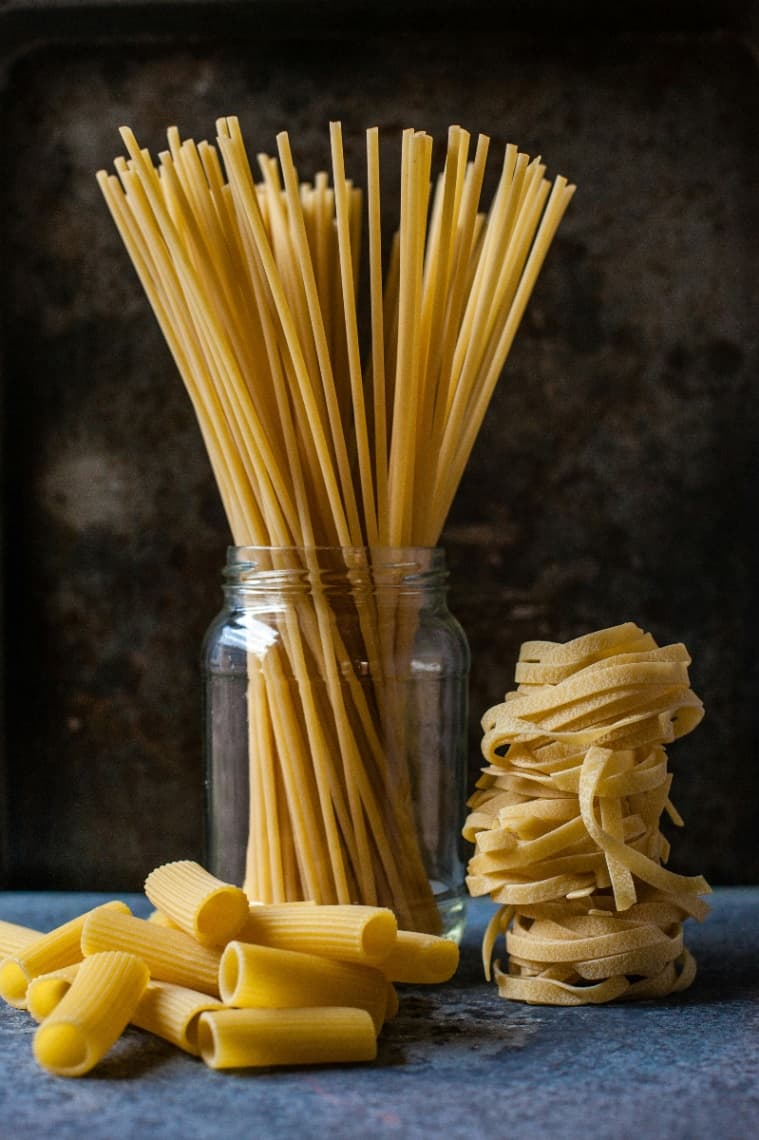
Pasta | Dried vs Fresh: Key Summary
These days, when walking around your neighborhood, you’ll often spot an Italian restaurant. Pasta has become an extremely familiar dish to us. But have you ever wondered, “Why doesn’t my homemade pasta taste like the one at a restaurant?” You use good ingredients and follow the recipe, yet something is missing.
That difference might lie in the noodles themselves. The long shelf‑life pasta we commonly buy at supermarkets is called dried pasta, while the fresh, moist pasta used in restaurants is called fresh pasta.
So which is superior — dried or fresh? In truth, there’s no one “best” answer. The right choice depends on what sauce you use, what texture you prefer, and your cooking style. Today, let’s dive deep into the differences between dried and fresh pasta, and figure out which is better suited for different situations! 🧐
What Is Dried Pasta?
Dried pasta is typically made from **“semola,” the coarsely ground flour of durum wheat (durum wheat)**. Semola has high levels of protein and gluten, giving pasta its distinct elasticity and chewiness. That slightly yellow hue comes from the semola itself.
The biggest feature of dried pasta is that all moisture has been removed. Thanks to this drying process, it can be stored at room temperature for long periods and shipped globally. That’s how we’re able to find pasta anytime in supermarkets.
- Texture: Because of its high gluten content, dried pasta has a firm, elastic “chewy” bite. It’s ideal for achieving the al dente effect, with a slightly resistant center.
- Cooking time: As it lacks moisture, it must be boiled in hot water for 8 minutes or more to cook fully.
- Best sauces: Its dense structure makes it pair well with oil‑based or light tomato sauces. It doesn’t absorb too much sauce, so you can enjoy the sauce’s flavor cleanly. In fact, some restaurants like “PECK” say they use dried pasta for traditional carbonara to avoid overcooking the egg yolks.
What Is Fresh Pasta?
Fresh pasta is pasta made by kneading flour and eggs (and other ingredients) and used without drying. Because it retains moisture, it offers a very tender, supple texture. Its versatility allows shapes like stuffed ravioli or broad noodles.
Because freshness is key, fresh pasta must be refrigerated and typically has a short shelf life (2–3 days). That’s why many restaurants make it fresh each morning.
- Texture: With egg incorporated, it becomes very soft and pliable, almost melting in your mouth.
- Cooking time: Already holding moisture, fresh pasta cooks in under 2 minutes. Be careful—not to overcook it, as it can become mushy quickly.
- Best sauces: Because its surface is porous and tender, it soaks up sauces beautifully. It pairs superbly with rich sauces like ragu or cream sauces. You’ll feel the pasta and sauce become one. The chef at PECK even names “fresh pasta ragu” as his top recommendation.
Dried vs Fresh Pasta — A Quick Comparison
| Feature | Dried Pasta | Fresh Pasta |
|---|---|---|
| Main Ingredients | Durum wheat semola + water | Flour, eggs, water, salt, etc. |
| Characteristic | Fully dried | No drying; used fresh |
| Texture | Firm, elastic chewiness | Soft, moist, delicate chew |
| Cooking Time | 8 minutes or more | Under 2 minutes |
| Storage | Room temperature | Refrigerated |
| Shelf Life | Over a year (long) | 2–3 days (short) |
| Recommended Sauce | Oil, vongole, light tomato sauces | Ragu, cream sauces, rich sauces |
Choosing Your Ideal Pasta
In conclusion, neither dried nor fresh pasta can be called inherently “better.” Each has its own strengths.
- If you favor chewiness and texture, and enjoy a clean oil-based pasta, go dried pasta.
- If you want the sauce deeply infused in soft, rich pasta, choose fresh pasta.
Next time you order at a restaurant or cook pasta at home, observe what kind of noodle is used. Enjoy discovering how the noodle type subtly changes flavor. After all, the best pasta is made when the cook’s care meets the eater’s taste. 😊