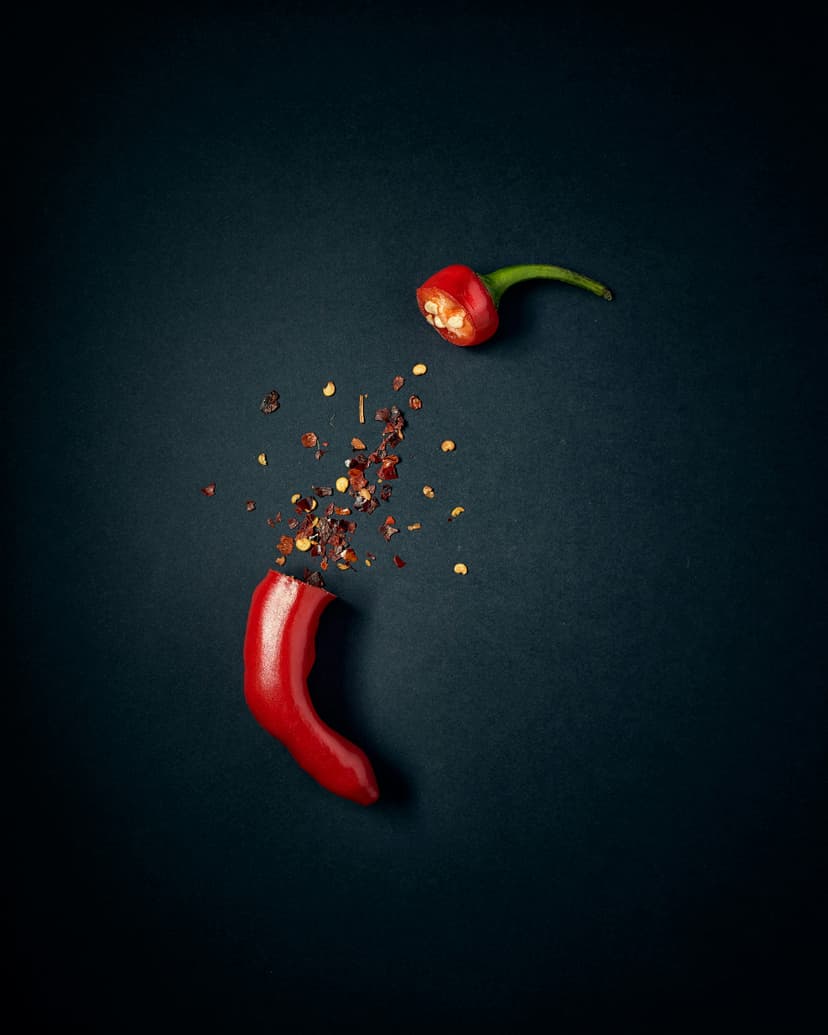
Peperoncino and Vietnamese peppers are different!
Peperoncino and Vietnamese Chili Are Different!
Ever wondered which chili to use when you want to add a spicy kick to your dish? Peperoncino and Vietnamese chili are both popular spices used in many cuisines. While they may look similar, their flavor, heat level, and culinary uses are quite different.
Let’s explore the differences between Peperoncino and Vietnamese chili. 🌶️
What is Peperoncino?
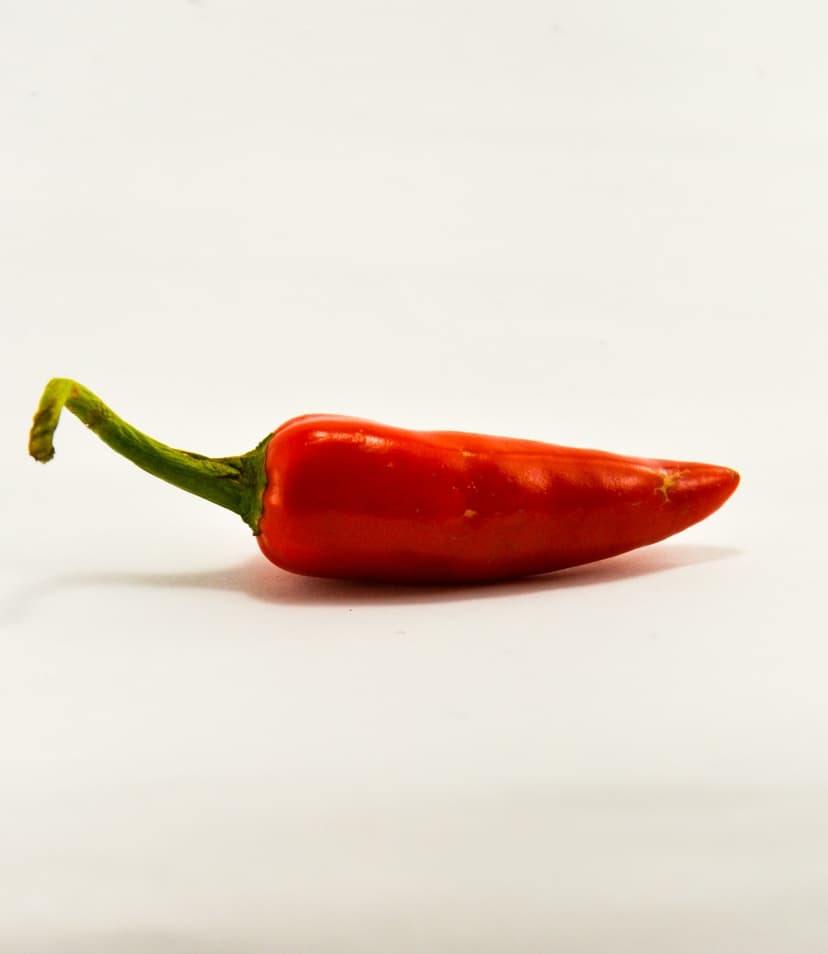
“Peperoncino” is Italian for “little pepper.” It typically refers to small, dried, spicy red chilies used in Italian cooking—especially in dishes like Aglio, Olio e Peperoncino.
-
Origin: Southern Italy (especially Calabria)
-
Heat level: Medium (Scoville: 15,000–30,000 SHU)
-
Flavor profile: Not just spicy—it has fruity and smoky notes that add depth and complexity to dishes.
-
Main uses: Pasta, pizza, oil-based sauces, and flavoring in Italian cuisine
What is Vietnamese Chili (Prik Kee Noo)?
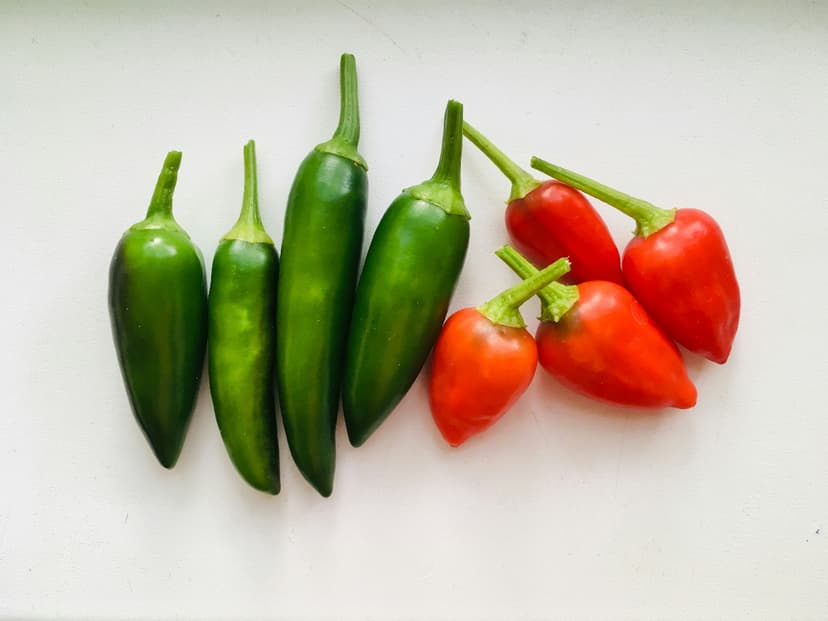
As the name suggests, Vietnamese chili is commonly used in Southeast Asian cuisine, particularly in Vietnamese and Thai dishes. It’s also known as Prik Kee Noo.
-
Origin: Southeast Asia (Vietnam, Thailand, etc.)
-
Heat level: Very hot (Scoville: 50,000–100,000 SHU)
-
Flavor profile: Sharp, piercing heat. It has less aroma compared to Peperoncino but delivers a strong, clean spiciness.
-
Main uses: Tom Yum soup, Pad Thai, pho, and a variety of stir-fries and spicy Southeast Asian dishes
Summary of Key Differences
| Feature | Peperoncino | Vietnamese Chili |
|---|---|---|
| Spiciness | Medium | Very hot |
| Flavor | Fruity, smoky | Sharp and clean heat |
| Used in | Italian cuisine | Southeast Asian cuisine |
| Appearance | Short and slightly thick | Thin and pointy |
Which One Should You Choose?
The best chili depends on the dish you’re preparing.
-
For Italian pasta or pizza: Try Peperoncino. Its signature smokiness enhances flavor beautifully.
-
For dishes like Tom Yum or spicy stir-fries: Vietnamese chili is ideal. Its intense heat brings authentic Southeast Asian flavors.
Of course, you can mix it up to suit your taste! Love spicy food? Add a bit of Vietnamese chili to Italian dishes. Want less heat? Use Peperoncino in Southeast Asian dishes for a milder touch.
Conclusion
Both Peperoncino and Vietnamese chili are fantastic for adding heat to dishes, but each brings something different to the table. Peperoncino enhances flavor with its depth, while Vietnamese chili delivers bold, clean heat.
Next time you cook, choose your chili wisely based on your dish—and enjoy a more authentic and flavorful meal! 😊