Octopus vs. Jumbo Squid: What's the Difference?
Have you ever seen dried seafood at a store labeled “octopus legs”? Or wondered while eating takoyaki, “Is this really octopus?” In fact, a lot of what we commonly call “octopus” is actually jumbo squid. These two creatures differ in appearance, taste, and price. The outcome of your dish can vary greatly depending on which one you choose. So today, let’s clearly distinguish between octopus and jumbo squid. After reading this, you won’t be confused at the grocery store or when ordering takoyaki anymore.
What is an Octopus?
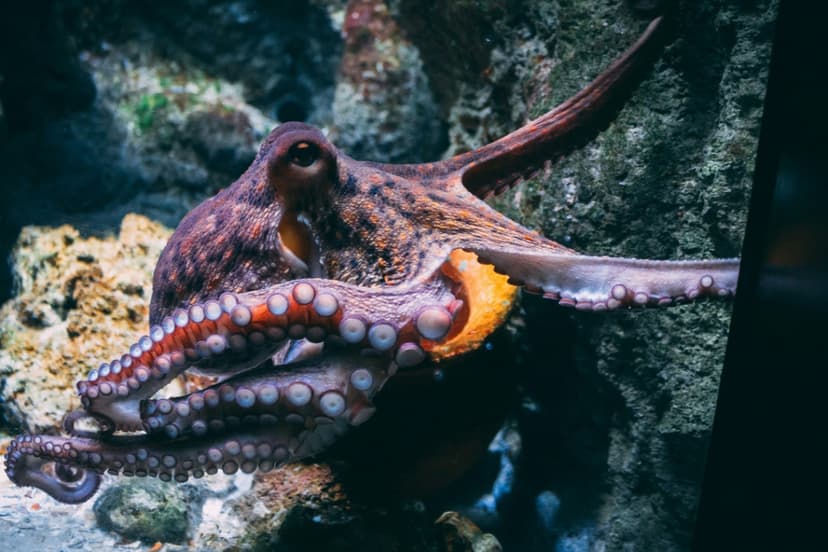
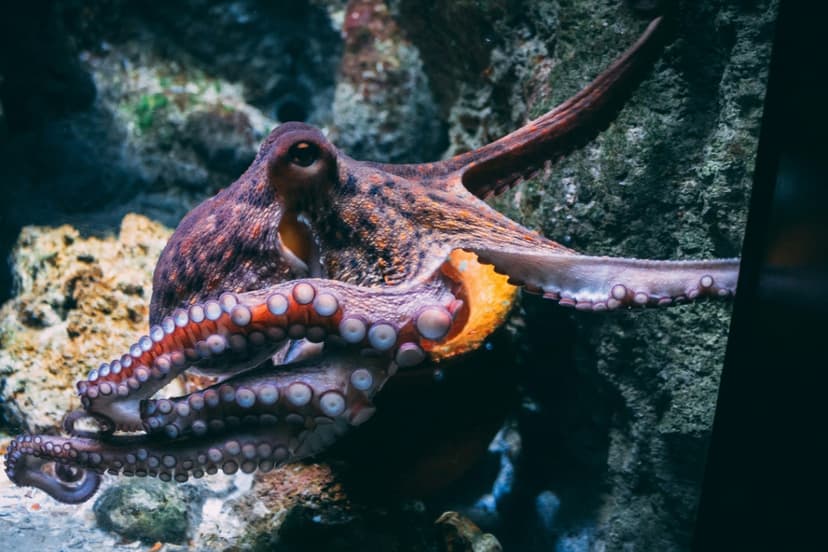
An octopus is a marine mollusk belonging to the order Octopoda. As the name suggests, it has eight arms. The English word “Octopus” comes from the Greek word oktṓpous, meaning “eight-footed.”
Types of Octopus
In Korea, two main types of octopus are commonly seen:
Giant Pacific Octopus
- Also known as Pimuneo in Korean
- Inhabits mainly the northern east coast
- Arm span of 3–6 m, can reach up to 10 m in total length
- Can weigh up to 272 kg
Common Octopus
- Found mostly in southern seas, lives in shallow rocky crevices, hence nicknamed “rock octopus”
- Smaller than the giant species and sometimes called “small octopus”
Habitat & History
Octopuses are found in oceans worldwide, except in polar regions. They thrive in temperate and subtropical zones of the Pacific, Atlantic, and Indian Oceans, from tidal zones to deep waters. Fossil records show they date back to the Carboniferous Period (~330 million years ago), and their modern form emerged during the Jurassic.
Culinary Uses
Octopus is a favorite ingredient in many countries:
- Korea: Often steamed, boiled in soups, or served blanched
- Japan: Used for broth or as a main ingredient in takoyaki
- Southern Europe: A staple in Italian, Spanish, and Greek dishes; typically simmered slowly at low temperatures for tenderness
What is a Jumbo Squid?
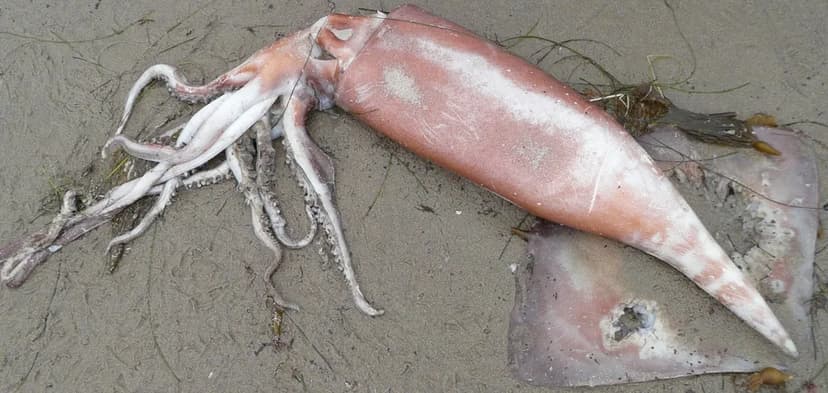
The jumbo squid is a species of squid found in the eastern Pacific. Its name literally means “false octopus” — it resembles an octopus but is an entirely different animal.
Alternate Names
- Humboldt Squid: Named for its habitat along the Humboldt Current
- Jumbo Squid: A reference to its large size
- Red Devil (Diablo rojo): Nickname from its aggressive nature
Size & Characteristics
A jumbo squid can grow up to 2 m long and weigh 45 kg. It swims at speeds up to 72 km/h and typically lives at depths of 200–700 m. It preys on small fish and crustaceans, and even engages in cannibalism. With sharp hooks on its suckers, it’s a formidable predator.
Tip!
Jumbo squid are known for rapid color change, which helps them evade predators. They’re often seen turning a vivid red.
Culinary Uses
- Dried Snacks: Processed into chewy strips sold as snacks
- Octopus Leg Imitations: Dried “octopus legs” at theaters are often jumbo squid
- Takoyaki: Most takoyaki actually use jumbo squid, not octopus
- Large Leg Slices: Sold thinly sliced as “giant legs”
Key Differences: Octopus vs. Jumbo Squid
| Category | Octopus | Jumbo Squid |
|---|---|---|
| Classification | Order Octopoda (Mollusk) | Squid species |
| Body & Arms | Body and arms connect evenly | Long arms, larger body |
| Texture | Chewy or tender (depends on cooking) | Generally soft |
| Color | Gray-brown to red | Red or white |
| Smell | Savory or premium scent | Strongly fishy |
| Price | Expensive | Cheap |
FYI: **Octopus blood contains copper-based hemocyanin** and appears blue, while **jumbo squid has iron-based hemoglobin** and looks red.
Cultural Meaning
Octopus Symbolism
In Korea, octopus symbolizes wisdom and longevity. In Gyeongsang Province, there’s a saying: “A ritual table without octopus is incomplete.” People even decorate ritual tables with dried octopus in shapes of chrysanthemums or phoenixes.
Jumbo Squid’s Practicality
Jumbo squid isn’t symbolic but has great practical value. It’s inexpensive, easy to process, and widely used in snacks, bar food, and takoyaki. Especially since the 2000s, with the rise of food trucks, demand has surged.
Is There Real Octopus in Takoyaki?
This is what many people wonder. In Japan, traditional takoyaki uses real octopus (tako), but in Korea, most takoyaki use jumbo squid.
Reality of Korean Takoyaki
- Price: Real octopus is costly, so it’s substituted
- Taste: Most consumers can’t tell the difference
- Some cases: Some stalls even use peanuts instead of seafood
Japanese chain “Gindaco” serves **authentic octopus takoyaki**, and Korean branches use the same quality octopus.
How to Tell Them Apart While Shopping
- Check Price: Too cheap? Probably jumbo squid
- Check Label: “Giant legs” or “jumbo squid” = not real octopus / “Common octopus” or “Giant octopus” = genuine
- Color & Texture: Jumbo squid is red/white, octopus is gray-brown and chewy
- Smell: Octopus is savory, squid is fishy
Which Should You Choose?
- Choose Octopus: For rituals, gourmet meals, or chewy texture
- Choose Jumbo Squid: For snacks, takoyaki, affordable eats, or softer texture
Conclusion: Now You Know the Difference!
Though they sound similar, octopus and jumbo squid are completely different ingredients.
Octopus is a mollusk with eight arms, while jumbo squid is a type of squid.
Their texture, smell, color, price, and cooking methods all differ.
Now, when you see “octopus legs” at the store, you’ll know it’s probably jumbo squid.
And when eating takoyaki, you won’t have to wonder, “Is this real octopus?”
Most of the time, it’s jumbo squid.
Think of octopus as a luxury food for special occasions, and jumbo squid as an everyday snack.
Both are delicious in their own way, so make your choice wisely based on the occasion! 🐙