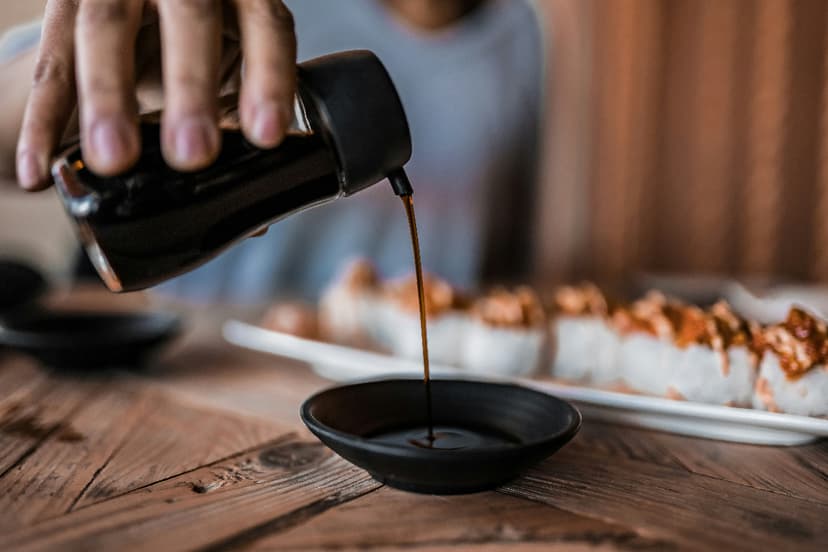
What’s the Difference Between Jin Ganjang and Brewed Soy Sauce?
It’s often said that just one type of soy sauce can complete the taste of Korean cuisine. But when you stand in front of the soy sauce section at the store, you’ll find various kinds like jin ganjang, brewed soy sauce, and guk ganjang — making it hard to choose. Recipes often say “2 tablespoons of jin ganjang” or “Season with brewed soy sauce,” but does it matter which one you use? Or should you strictly distinguish between them? In this post, we’ll clearly explain the differences between jin ganjang and brewed soy sauce and detail which dishes are best suited for each. After reading this, you’ll be able to confidently pick the right soy sauce for any dish!
What Is Jin Ganjang?
Jin ganjang is the most commonly used soy sauce in Korean households. As the word “jin” (meaning “rich” or “deep”) suggests, it is dark in color and strong in flavor.
How Jin Ganjang Is Made
Jin ganjang is a blended soy sauce made by mixing brewed soy sauce and acid-hydrolyzed soy sauce. Artificial sweeteners are added to enhance sweetness. It undergoes heat treatment during production, giving it a strong resistance to heat. Its quality depends on the blending ratio: the more brewed soy sauce, the higher the quality; the more acid-hydrolyzed soy sauce, the cheaper the product tends to be.
Taste and Aroma of Jin Ganjang
Jin ganjang has a strong sweetness, saltiness, and aroma. It has a nutty scent similar to roasted sesame or baked potatoes, and its flavor remains stable even when heated.
Best Dishes for Jin Ganjang
Since it holds up well to heat, jin ganjang is ideal for braises, stir-fries, and steamed dishes. Try using it in:
- Braised pork and potatoes
- Stir-fried small crabs (chilge bokkeum)
- Galbi rice pot
- Steamed stingray
- Spicy beef soup (yukgaejang)
Thanks to its strong sweet and salty flavors, it’s also frequently used for making dipping sauces and marinades. Using jin ganjang as a base for soy sauce-based seasonings adds deep flavor.
Historical Background of Jin Ganjang
Interestingly, the term “jin ganjang” originally referred to traditional Korean soy sauce that had been aged for a long time. But in 1966, Sempio Foods branded a blended soy sauce made with acid-hydrolyzed base as “jin ganjang,” and since then, the term has commonly referred to this type of mixed soy sauce.
Tip!
The term “jin ganjang” has no legally standardized definition, so each brand may have a different blending ratio, leading to slightly different flavors.
What Is Brewed Soy Sauce?
Brewed soy sauce is a naturally fermented soy sauce made using Japanese fermentation methods. “Brewed” means it is created through fermentation.
How Brewed Soy Sauce Is Made
Brewed soy sauce is made by fermenting soybeans and wheat over a long period. Unlike traditional Korean soy sauce, it doesn’t use meju (fermented soybean blocks) but follows Japanese fermentation techniques and is not heat-treated. During natural fermentation, proteins break down into amino acids and peptides, creating umami and developing a complex range of flavors and aromas.
Taste and Aroma of Brewed Soy Sauce
Brewed soy sauce has a balanced blend of sweetness, saltiness, and umami, with a mild and deep aroma. The complex flavor developed through fermentation is its key trait.
Best Dishes for Brewed Soy Sauce
Since it loses aroma when heated, brewed soy sauce is better suited for non-heated dishes or lightly cooked dishes. Try using it in:
- Seasoned vegetable side dishes (namul muchim)
- Salad dressings
- Dipping sauce for sashimi
- Pickled vegetables (jangajji)
- Bibimbap seasoning
- Japchae
Because it preserves the natural flavor of soy sauce, brewed soy sauce pairs especially well with dishes like sashimi and sushi, where it’s important to enhance the ingredients’ original taste.
Price of Brewed Soy Sauce
Brewed soy sauce is generally more expensive than jin ganjang due to its complex production and longer fermentation time.
FYI: The concept of brewed soy sauce originates from the Japanese term “shoyu (醬油),” and most soy sauce brands in Korea today are based on Japanese fermentation methods.
Jin Ganjang vs. Brewed Soy Sauce: Key Comparison
Here’s a quick side-by-side comparison of the two:
| Category | Jin Ganjang | Brewed Soy Sauce |
|---|---|---|
| Production Method | Blended brewed + acid-hydrolyzed soy sauce, heat-treated | Naturally fermented soybeans and wheat, non-heat treated |
| Flavor | Strong sweetness and saltiness | Balanced sweetness, saltiness, and umami |
| Aroma | Nutty (roasted sesame, baked potato) | Mild and deep fermented aroma |
| Heat Resistance | Flavor remains stable when heated | Aroma and flavor weaken with heat |
| Best For | Braises, stir-fries, steamed dishes | Cold dishes, salads, sashimi |
| Price | Generally cheaper | Generally more expensive |
Which Soy Sauce Should You Choose?
Use jin ganjang for heated dishes, and brewed soy sauce for raw or lightly seasoned dishes. If possible, keep both at home to suit various recipes. If you must pick just one, we recommend jin ganjang, which is the most versatile for typical Korean home cooking.
Fun Facts About Soy Sauce
General Kim Yushin and Soy Sauce
General Kim Yushin from the Silla era is also known for a soy sauce anecdote. As a child, he trained in martial arts while eating rice mixed with soy sauce that his mother prepared. It’s said that his simplicity and perseverance, illustrated by making a meal delicious with just soy sauce, helped him grow into a great general.
The Saying “Put Soy Sauce on My Hand and Burn It”
This Korean proverb means “I’m absolutely certain.” Since brewing soy sauce took a long time in the past, the saying “If that doesn’t happen, I’ll put soy sauce on my hand and burn it” became a metaphor for strong certainty.
Japanese Cuisine and Soy Sauce
Soy sauce is a fundamental seasoning in Japanese cuisine — it’s even used in clear soups. It’s such a staple that there’s even a joke that Japanese people smell like soy sauce.
Creating Sweetness with Soy Sauce
Heating soy sauce can also bring out sweetness. In times when sugar was rare in Japan, skewered rice cakes were brushed with soy sauce and oil, then grilled — this was the origin of teriyaki sauce. In Chinese cuisine, pouring soy sauce onto the edge of a hot wok creates a smoky, subtly sweet flavor.
The aroma and color of soy sauce vary greatly depending on fermentation time, ingredient ratios, and aging temperature. Longer fermentation results in deeper aroma and darker color.
Now You Can Choose Soy Sauce with Confidence!
Jin ganjang and brewed soy sauce differ in production method, taste, aroma, and culinary use. Jin ganjang holds up well to heat and has strong sweet and salty flavors, making it perfect for braises, stir-fries, and steamed dishes. Brewed soy sauce has rich umami and a soft aroma, making it ideal for cold dishes, sashimi, and salads. So next time you’re in the soy sauce aisle, don’t hesitate. Choose the right one based on your recipe, and your dishes will taste that much better. 🍳