The Ultimate Guide to Mantecare
Have you ever wondered why homemade pasta doesn’t quite taste like restaurant‑quality pasta? You use the same ingredients and follow the recipe, yet something is off. The secret lies in an Italian cooking technique called mantecare.
In this post, I’ll walk you through everything you need to know about mantecare—from its scientific principles to practical application—in a way that’s easy and fun to understand. There’s a step‑by‑step guide for even beginners, along with plenty of tips to avoid mistakes.
What Is Mantecare?
Mantecare means in Italian to **“mix butter and oil”** or **“make something creamy by mixing.”** In culinary terms, it refers to the process of emulsifying ingredients that don’t normally combine by vigorous stirring to produce a thick, creamy sauce.
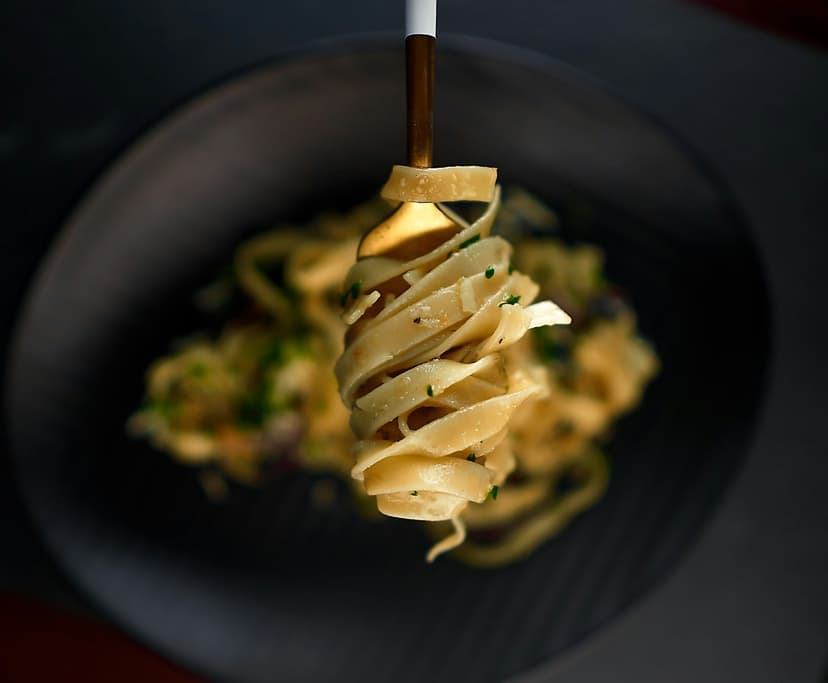
This technique is not just about stirring ingredients together. It’s a scientific process that uses mechanical force and temperature control to create an emulsion. In pasta dishes, you use starch‑rich pasta water plus oil or butter in a mantecare process to bind them, giving the pasta a perfectly coated, creamy sauce.
The Scientific Principles of Emulsification
Emulsification is the process of combining two liquids that ordinarily wouldn’t mix (typically water and oil). To understand how it works, there are a few key concepts you need to know.
Surface Tension & the Role of Emulsifiers
Water and oil don’t mix because of surface tension. Emulsifiers help reduce that tension by having both hydrophilic (water‑loving) and lipophilic (oil‑loving) properties.
Common culinary emulsifiers include:
-
Lecithin from egg yolks (used in mayonnaise, carbonara)
-
Proteins and fats in cheese (used in cacio e pepe)
-
Fats and moisture in butter (monte technique)
-
Starch from pasta water (a core component of the pasta water)
The Importance of Mechanical Force
An emulsifier alone is not enough. You need mechanical force—like vigorous stirring—to build a stable emulsion. When you stir, you often introduce air, which can lighten the texture and help the emulsion hold together more smoothly.
Ingredients & Tools Needed for Mantecare
Core Ingredients
Essential ingredients:
-
Pasta cooked al dente
-
Starch‑rich pasta water
-
Butter or cheese as emulsifiers
-
Olive oil
Golden ratio for pasta water:
Dissolve 10 g of salt per liter of water. This ratio gives the pasta water the right balance of salinity and starch concentration, allowing for optimal mantecare.
Essential Tools
-
A wide pan or wok (good heat conductivity)
-
A wood or silicone spatula
-
A ladle (for adding pasta water gradually)
-
Tongs (for lifting and turning the pasta)
Step‑by‑Step Guide to Perfect Mantecare
Step 1: Prepare in Advance
Cook the pasta for 2–3 minutes less than the time on the package. Pull it out slightly under al dente so it finishes its texture during the mantecare process.
Reserve about 1 cup of the pasta water. This water, rich in starch, is the heart of mantecare.
Step 2: Prepare the Base Sauce
Heat your base sauce (e.g. garlic oil, tomato sauce) over medium heat. Be careful not to overheat.
Step 3: Combine Pasta and Sauce
Reduce the heat to low, then add the cooked pasta into the sauce. Use tongs to lift and toss the pasta so it’s evenly coated.
Step 4: The Heart of Mantecare — Introducing Pasta Water
This is the most critical step!
-
Turn off the heat or move the pan away from direct heat
-
Add about half a ladle of pasta water
-
Stir quickly and vigorously — as if you’re folding air in!
-
Continue stirring for 30 seconds to 1 minute until the sauce becomes creamy
💡Tip: A 1:1 ratio of water to oil/fat is a starting point, but you may need to adjust depending on sauce type and temperature.
Step 5: Finish
Add butter or cheese and do another round of mantecare to finish the dish. This final step is sometimes called monte.
💎 Key Tips for Perfect Mantecare
Temperature Control Is Essential
-
Too hot → the sauce may break/separate
-
Too cold → emulsification may fail
-
The ideal range is 60–70 °C
Stirring Technique
-
Stir in a figure‑eight shape rather than simple circles
-
Lift and shake the pan while stirring for better emulsification
-
Think of folding in air — keep it fast and dynamic!
Secrets of the Pasta Water
The secret is to add the pasta water gradually, in small increments. Pouring too much at once can cause a sharp drop in temperature, resulting in emulsion failure.
Applications of Mantecare in Classic Italian Dishes
Cacio e Pepe
A dish where simplicity highlights technique
-
Parmigiano‑Reggiano acts as the main emulsifier
-
Just cheese, pepper, and pasta water produce a creamy sauce
-
Impossible without mantecare
Spaghetti Aglio e Olio
Harmony of olive oil and pasta water
-
Combine garlic oil and pasta water through mantecare
-
Simple ingredients elevated to refined flavors
-
Pasta water : olive oil = 2 : 1 is a good ideal ratio
Carbonara
A masterclass in emulsification using egg and cheese
-
Lecithin in egg yolk serves as a natural emulsifier
-
Precise temperature control is crucial (avoid cooking the egg)
-
Mantecare gives a velvety texture
Risotto
Using rice starch for a creamy texture
-
Starch released from the rice acts as a natural emulsifier
-
Add broth gradually while stirring continuously
-
Finish with butter and cheese to complete the mantecare
🤔 Frequently Asked Questions (FAQ)
Q: Is mantecare only used for pasta?
A: Not at all! It works in risotto, soups, and sauces. You can even find adaptations in Korean cuisine. For example, adding cheese to kimchi stew and using a mantecare method can create a creamy kimchi cheese stew.
Q: Can I substitute regular water for pasta water?
A: Not recommended. Pasta water contains starch from the pasta that acts as a natural emulsifier. Regular water won’t provide the same effect.
Q: Is there a way to rescue a failed mantecare?
A: Yes, in most cases you can recover a sauce that’s gone wrong. Turn off the heat and add cold pasta water slowly while stirring again. If that fails, try adding more cheese or butter.
Q: Does the type of olive oil affect the mantecare?
A: Yes, it does. Extra virgin olive oil has strong flavor and good emulsifying properties, while standard olive oil is more neutral but a bit weaker in emulsification. For beginners, a mid‑grade olive oil is a safe choice.
Q: Can you reheat a pasta that’s been mantecare’d?
A: It’s possible, but texture may change. Rather than microwaving, reheat in a pan with a little pasta water on low heat and reapply a light mantecare.
💡 Additional Tips from the Pros
Chef Kim Milyan’s Advice
Chef Kim Milyan, a Michelin 2‑star chef and a pioneer in promoting mantecare in Korea, says “mantecare is not a technique but a mindset.” He emphasizes that ingredient understanding and care are more important than technique.
The Golden Ratio of Water & Oil
While 1:1 is a baseline, actual balance depends on the situation:
-
Too much pasta water → you’ll need more stirring
-
Too much fat/oil → add pasta water gradually
-
High temperature → stir fast to lower it
Seasonal Tips for Mantecare
Summer: Warmer ambient temps may destabilize the emulsion—work faster
Winter: Watch for heat loss and maintain warmth during the process
Open a New Culinary World with Mantecare
Mantecare is more than a cooking technique—it’s a magical method that elevates your culinary understanding. It might feel challenging at first, but with a few tries, you too can make restaurant‑level pasta at home.
Remember: the key to flawless mantecare is temperature control and patience. Don’t rush—observe how your ingredients change, and learn slowly.
Tonight, why not start with a simple aglio e olio? Experience the magic of mantecare and surprise your family and friends. You might just hear, “How did you make this taste so good at home?”