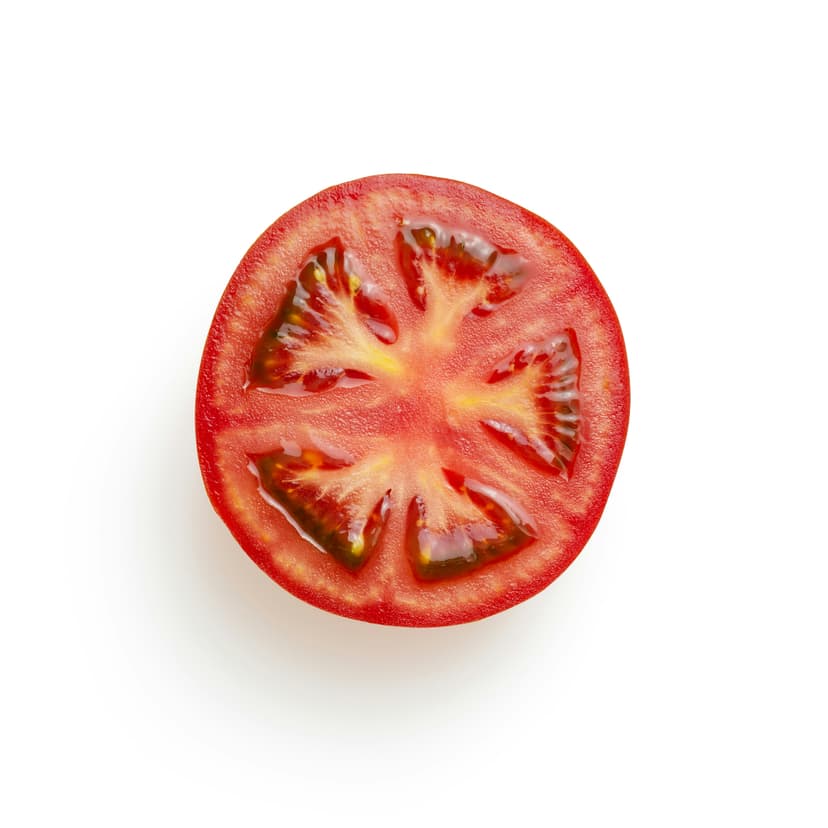
Stevia Tomatoes: Are They Really a Diet Food? – Side Effects of Stevia Tomatoes
Lately, there’s a name that really stands out in the fruit section of grocery stores: “Stevia Tomatoes”. They taste as sweet as if sugar has been sprinkled on them, yet they’re low in calories—making them a popular diet snack. But are these honey-sweet tomatoes really okay to eat as much as you want? In this post, we’ll take a closer look at what stevia tomatoes are, how they differ from regular tomatoes, and thoroughly examine whether there are any side effects. By the end of this article, you’ll be able to decide whether stevia tomatoes are a good fit for your diet.
What Are Stevia Tomatoes?
Did you think stevia tomatoes are a newly developed tomato variety? In fact, “stevia tomato” is not a variety name. If you look closely at the back of the package, you might notice it’s labeled as a “processed fruit and vegetable product.” What does that mean? It means that stevia tomatoes are regular cherry tomatoes that have had a natural sweetener called “stevia” artificially injected or absorbed to enhance sweetness. In most cases, they’re not grown using a special method, but are regular tomatoes with added sweetness.
But Isn’t There a Stevia Farming Method?
Yes, there is something called the “stevia farming method.” It involves spraying stevia extract on the soil or leaves during cultivation, which increases the tomato’s natural sugar content. However, this method is costly, so most stevia tomatoes on the market are made by injecting stevia after harvest.
Since stevia tomatoes are classified as a “processed food,” even if the package says “100% domestically grown tomatoes,” stevia may have been added during processing.
Regular Tomatoes vs Stevia Tomatoes
So how do stevia tomatoes compare to regular ones in terms of nutrition? Surprisingly, aside from the sweetness, the nutritional content is nearly identical.
- Regular cherry tomatoes (per 100g): About 18 kcal, 4g carbohydrates
- Stevia tomatoes (per 100g): Nearly the same calories and carbohydrate content as regular cherry tomatoes
Stevia, the sweetener used in stevia tomatoes, is 200–300 times sweeter than sugar but is barely absorbed by the body and has almost zero calories. It also doesn’t impact blood sugar levels. This means you can enjoy the same nutritional value as regular tomatoes with much stronger sweetness.
Benefits of Stevia Tomatoes
1. Guilt-Free Sweetness
Stevia tomatoes deliver intense sweetness without sugar, making them an excellent snack for those on a diet. The biggest benefit is satisfying your sweet tooth without the calorie load.
2. Psychological Satisfaction During Dieting
If all you’re eating is bland chicken breast and salad, dieting can become draining. But adding sweet stevia tomatoes as a snack can ease diet stress and offer psychological satisfaction. They can help make dieting a more enjoyable experience.
Any Side Effects of Stevia Tomatoes?
Many people feel uneasy about “artificial sweetness.” So, are stevia tomatoes really safe?
Guidelines from the FDA and WHO
High-purity stevia sweeteners (steviol glycosides) are classified by the U.S. Food and Drug Administration (FDA) as GRAS (Generally Recognized As Safe) additives. In other words, they’re safe to consume as food. However, the World Health Organization (WHO) recommends a daily intake limit (ADI) of 4 mg per 1 kg of body weight. This is a precautionary guideline to account for potential risks of long-term overconsumption. The existence of an ADI doesn’t mean it’s dangerous like a toxin—it indicates a level that’s considered safe even for lifelong consumption.
For reference, based on WHO guidelines, a 60 kg adult can safely consume up to about 240 mg of steviol glycosides per day.
Concerns About Overconsumption
Stevia is a natural sweetener that’s been used for a long time, but there are some precautions:
- Digestive issues: Some people may experience bloating or diarrhea due to sugar alcohols (like erythritol) used with stevia.
- Gut microbiome impact: Some studies suggest that artificial sweeteners may affect beneficial gut bacteria.
In conclusion, stevia tomatoes are safe when consumed like regular fruit. However, it’s best to avoid eating them in large amounts every day.
Are Stevia Tomatoes Right for You?
Stevia tomatoes can be a refreshing relief for those weary of dieting. But that doesn’t mean they’re perfect for everyone.
Recommended for 👍
- People who crave sweetness while dieting
- Those wanting to reduce sugar intake
- Anyone looking for a healthy, tasty snack
Caution for 🤔
- People who tend to overeat when exposed to sweet flavors
- Those with sensitive digestion who experience bloating or diarrhea easily
- Anyone with allergies to certain ingredients
How to Enjoy Stevia Tomatoes Wisely
While stevia tomatoes are a tempting snack, they’re not a “magic bullet” for weight loss. Keep in mind that they have the same nutritional value as regular tomatoes, and use them as part of a balanced diet. Rather than overeating just because they’re sweet, make a habit of enjoying them in moderate portions as a treat.
Instead of buying stevia tomatoes, you can sprinkle a bit of stevia powder on regular tomatoes for a similar sweetness.
We hope today’s information helps you enjoy stevia tomatoes more wisely and healthfully.