Linguine vs Fettuccine
Ever walked into a pasta shop and been overwhelmed by the variety of noodles beyond just spaghetti? Among them, linguine and fettuccine often confuse people due to their similar flat shapes. Many assume, “Aren’t they just different in width?”
But these two types of pasta differ in more than just size. From their origins and names to key ingredients and best sauce pairings—each brings its own charm to the plate.
Ever followed a recipe to the letter but still wondered why your dish doesn’t taste like it came from a restaurant? One secret could lie in choosing the right pasta for the dish. Let’s break down the key differences between linguine and fettuccine so you can take your pasta game to the next level! 🍝
Hidden Meanings in the Names: Origins of Each Pasta
Italian pasta names often describe their appearance or characteristics—and linguine and fettuccine are no exception.
Linguine: The Whisper of Little Tongues
“Linguine” means “little tongues” in Italian. True to its name, the pasta has a flat, narrow shape that resembles a tongue. It originates from the Liguria region, particularly Genoa.
Fettuccine: Rome’s Elegant Ribbons
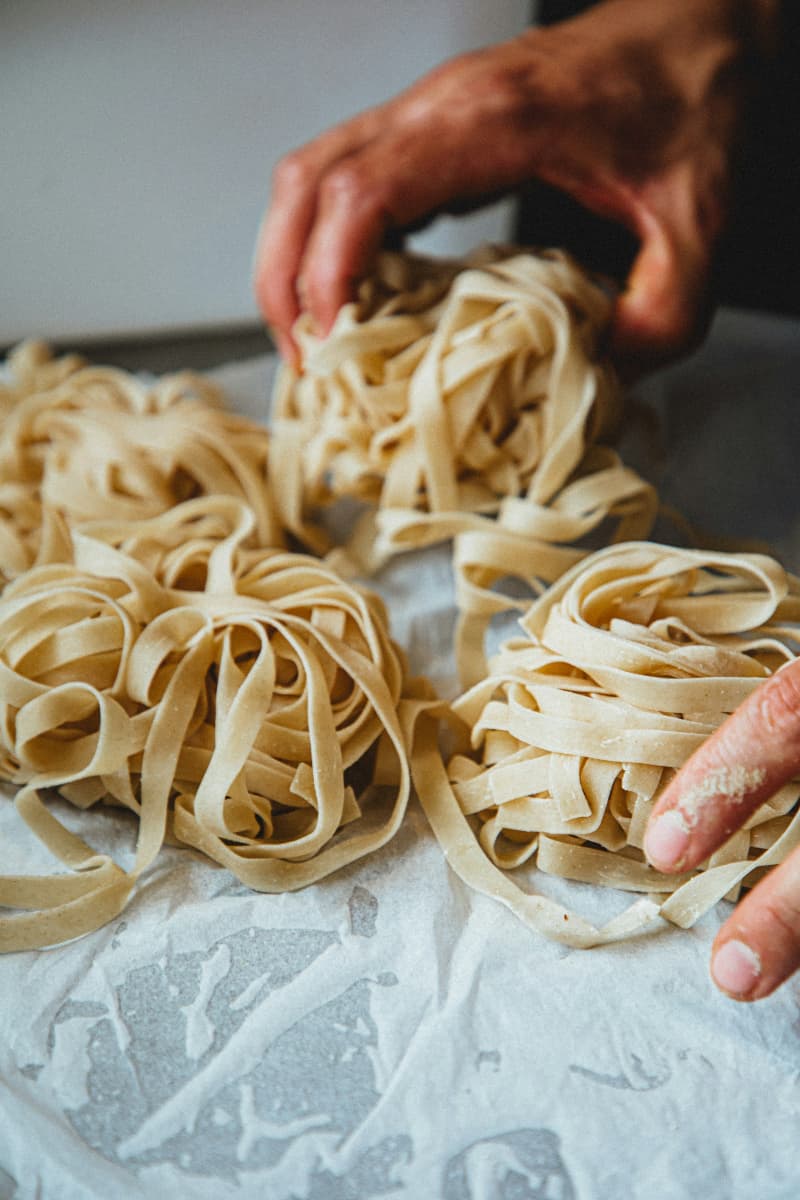
“Fettuccine” translates to “little ribbons.” Just like gift-wrapping ribbons, it has a wide, flat shape. Fettuccine hails from Rome, the capital of Italy.
Side-by-Side Comparison: Shape and Size
The easiest way to tell the two apart is by their width:
-
Linguine: About 3mm wide, with a flat and slightly curved oval shape—like a pressed version of spaghetti.
-
Fettuccine: About 6.5mm wide, more than twice the width of linguine. Thick and sturdy like tagliatelle, it absorbs heavy sauces well.
Think of linguine as the middle ground between spaghetti and fettuccine.
The Key Ingredient That Affects Taste
Beyond shape, the ingredients used to make the pasta create an important distinction—egg or no egg.
-
Linguine: Traditionally made from semolina flour, water, and salt, without egg. This gives it a light, chewy texture with a clean flavor.
-
Fettuccine: Classic fettuccine includes semolina flour, water, salt, and eggs. The egg enriches the dough, giving it a richer flavor and softer bite.
This seemingly small difference significantly affects the pasta’s taste and texture.
Perfect Pairings: Which Sauce Goes Best?
The shape and thickness of pasta greatly influence which sauce works best. Depending on your sauce, linguine or fettuccine could be the better choice.
Linguine: Best with Light and Delicate Sauces
Because linguine is relatively thin and has less surface area, it shines with sauces that don’t overpower it.
-
Recommended sauces:
-
Oil-based sauces: Great for seafood oil pasta like vongole (clam pasta).
-
Pesto: Basil pesto clings beautifully to linguine, enhancing its natural flavor.
-
Light tomato sauces: Works well with smooth or seafood-based tomato sauces that aren’t too chunky.
-
Fettuccine: Made for Rich and Creamy Sauces
With its wide and thick body, fettuccine excels at holding onto heavy sauces, delivering rich, indulgent bites.
-
Recommended sauces:
-
Cream sauces: Think Alfredo. Butter, cheese, and cream coat fettuccine luxuriously.
-
Ragu or meat sauces: Perfect with hearty sauces like Bolognese.
-
Bold cheese sauces: Pairs well with rich, pungent sauces like gorgonzola cream.
-
Boiling Time
The different thicknesses affect cooking time too. Always check the package instructions, but here are general guidelines:
-
Linguine: About 8–10 minutes
-
Fettuccine: About 9–12 minutes
Since fettuccine is thicker, it needs slightly more time to cook to the perfect al dente texture.
Final Thoughts: Pasta Makes the Difference
Now that you know the key differences, here’s a quick summary:
| Category | Linguine | Fettuccine |
|---|---|---|
| Meaning | Little tongues | Little ribbons |
| Origin | Liguria (Genoa) | Rome |
| Shape | Thin & flat (approx. 3mm) | Wide & thick (approx. 6.5mm) |
| Ingredients | Semolina, water (no egg) | Semolina, water, egg |
| Best with | Oil, pesto, light seafood/tomato sauces | Cream, cheese, rich meat sauces |
Planning on making vongole pasta tonight? Go with linguine. Its light texture lets the clams and oil shine. Craving a rich and creamy Alfredo? Grab fettuccine. Its broad surface soaks up that luxurious sauce and fills every bite with flavor.
It’s a small detail, but the pasta you choose can drastically affect the outcome of your dish. So next time you’re at the store, pick with confidence—and take your cooking to the next level!