Key Differences Between Hard Cheese and Soft Cheese – A Quick Guide!
From fancy appetizers paired with wine to ingredients that enhance the flavor of pizzas and pastas, cheese has become an essential and charming item on our dining tables. But have you ever stood in front of a supermarket cheese section, overwhelmed by the variety of names and shapes, not sure which one to choose?
While there are countless types of cheese, did you know they can broadly be categorized into “hard cheese” and “soft cheese”? Just knowing this basic classification can make it much easier to understand and enjoy the world of cheese. In this article, we’ll explain what hard and soft cheeses are, how they differ, and which dishes they pair best with—clearly and enjoyably.
What is Hard Cheese?
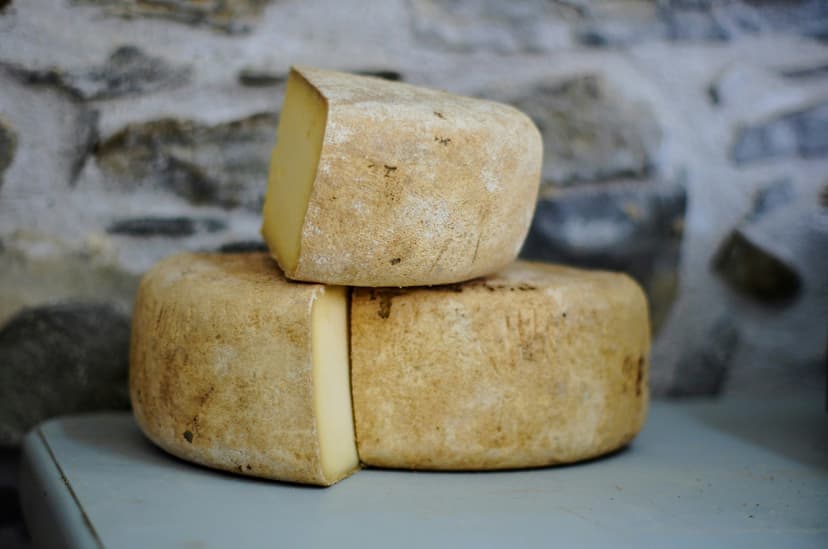
Hard cheese refers to cheese with a firm and solid texture, just as the name implies. It undergoes a long aging process, during which moisture evaporates, making it denser. As a result, it develops a deep, rich flavor and aroma.
-
Characteristics: With a moisture content of about 35–39%, hard cheese has a dense structure and long shelf life. It’s typically aged from 1 to as long as 4 years, resulting in a concentrated umami and savory taste.
-
Popular examples:
-
Parmesan Cheese: Also known as Parmigiano-Reggiano, it’s famous for its salty, nutty flavor. Because it’s very hard, it’s often grated over pasta or salad.
-
Emmental Cheese: Known as the “holey cheese” from the cartoon Tom and Jerry! It has a nutty, slightly sweet flavor and pairs well with sandwiches or fondue.
-
-
Common uses: Its strong flavor enhances the taste of dishes. Often grated over meals, or sliced thinly to serve as a wine appetizer.
What is Soft Cheese?
Soft cheese, in contrast to hard cheese, has a smooth and moist texture. Its charm lies in its short aging period—or none at all—allowing you to enjoy the fresh flavor of milk.
-
Characteristics: With over 55% moisture content, it’s very soft and creamy. Often covered with white mold on the outside, and creamy yellow on the inside. The rind tends to be aromatic, while the interior is flavorful.
-
Popular examples:
-
Brie Cheese: Known as the “Queen of Cheese,” it features a creamy texture and mushroom-like aroma.
-
Camembert Cheese: Similar to Brie but with a stronger flavor and scent. Delicious on its own, and heavenly when lightly baked and drizzled with honey.
-
-
Common uses: Thanks to its soft texture, it’s perfect for spreading on bread or crackers, and pairs beautifully with fruits or nuts as a wine appetizer.
The Biggest Difference: The Making Process
The key differences between hard and soft cheeses lie in their “moisture content” and “aging time.”
-
Moisture content: During cheese production, the milk curd (“curd”) is cut. Smaller cuts release more moisture, resulting in a firmer hard cheese. Larger curds retain more moisture, making for a softer cheese.
-
Aging time: Hard cheeses, due to their low moisture, can be aged for over a year—or even several years. This deepens and enriches their flavors. On the other hand, soft cheeses have high moisture and are usually aged briefly (2–6 weeks) or not at all (as in fresh cheese), which preserves their fresh taste.
🤔 What About Nutritional Differences?
In general, hard cheese contains less moisture and is more nutrient-dense, meaning it has higher fat, protein, and calcium than soft cheese. Conversely, soft cheese has more moisture, so it tends to have fewer calories. That said, nutritional values vary greatly by cheese type—so use this as a general guideline only.
Which Dishes Match Best?
Knowing each cheese’s characteristics makes it easier to use in cooking.
| Category | Hard Cheese | Soft Cheese |
|---|---|---|
| Usage | Grated: Sprinkle over pasta, risotto, salad for extra flavor. Sliced: Add to sandwiches, canapés, or enjoy with wine. | Spreadable: Use like a spread on bread, crackers, bagels. Baked: Lightly bake and pair with honey or jam. |
| Best Pairings | With a strong salty taste, it enhances and seasons dishes. | Smooth and rich, pairs perfectly with fresh fruit (grapes, figs), nuts, and honey. |
| Popular Dishes | Carbonara, Caesar Salad, Cheese Fondue | Grilled Brie, Caprese Salad (with fresh mozzarella), Cheese Platters |
Find the Cheese That Suits Your Taste
Now that you’ve learned the clear differences between hard and soft cheese…
If you prefer a firm, salty, and deep flavor, go for hard cheese. If you enjoy something soft, creamy, and fresh, try soft cheese. Don’t overthink it next time—why not enjoy a special gourmet moment tonight with the perfect cheese for your taste?