Dim Sum vs. Xiaolongbao: Both Are Dumplings, But What’s the Difference?
Do you enjoy Chinese food? If so, you’ve probably tried dim sum and xiaolongbao at least once. These delicious dishes, filled with savory stuffing inside thin wrappers, are enough to make your mouth water just by looking at them. But while both are Chinese dumplings, what exactly sets them apart? If you’ve ever thought, “Can’t I just order xiaolongbao at a dim sum place?” — then this article is for you. We’ll clearly explain what each dish is, how they’re made, and the key differences between them. That way, you’ll be confident next time you order at a Chinese restaurant!
What Is Dim Sum?
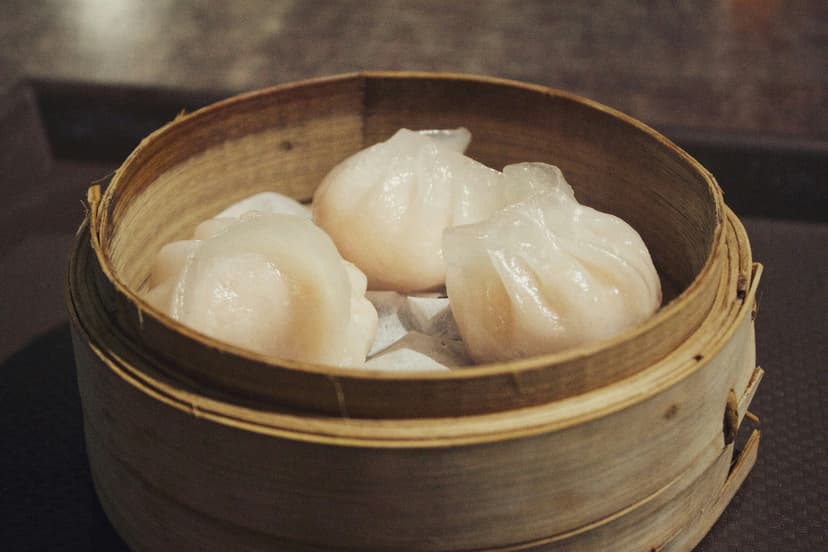
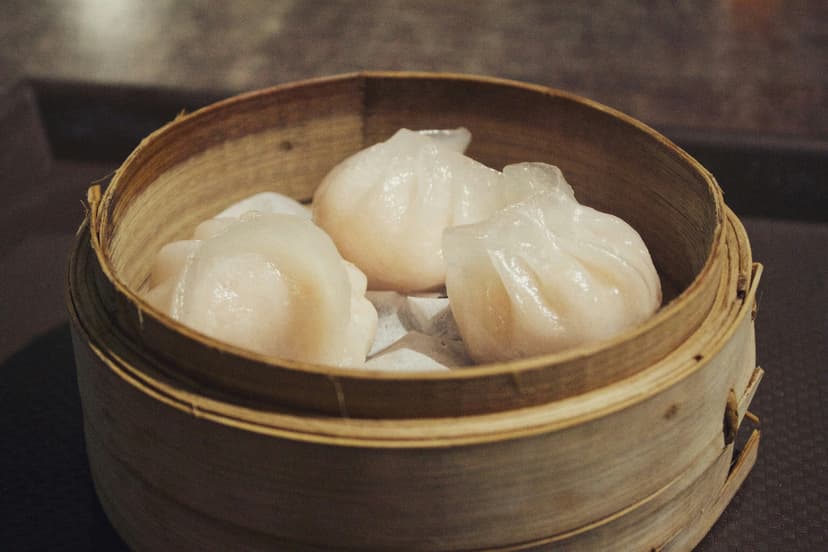
Dim sum (點心) refers to light dishes enjoyed between meals in southern China, particularly in Guangdong. While the characters are the same as the Korean word for “lunch” (점심), the original meaning is “to touch the heart” — that is, to lightly satisfy your hunger. It originated from snacks eaten by people in Guangdong, Shanghai, and among the Hakka during breaks between their main meals. In the past, when people typically ate only two meals a day, these were simple snacks eaten when hunger struck in between.
The term “dim sum (點心)” literally means “to touch the heart” and refers to small dishes that aren’t part of a formal meal.
Types of Dim Sum
Dim sum comes in a huge variety. Broadly speaking, it can be divided into savory ham dim sum (鹹點心) and sweet tim dim sum (甜點心). Based on the cooking method, they include:
- Steamed dishes: Char siu bao (steamed buns with BBQ pork), har gow (shrimp dumplings), siu mai (pork dumplings)
- Fried dishes: Spring rolls, taro croquettes
- Stir-fried dishes: Stir-fried vermicelli
- Desserts: Egg tarts, mango pudding, sesame balls
The fillings also vary — from pork, beef, chicken, and shrimp to assorted vegetables.
Cultural Significance of Dim Sum
Dim sum is more than just food; it’s a cultural ritual of leisure and socializing. In Hong Kong and Macau, enjoying tea with dim sum is called “yum cha (飲茶)” and is considered a social event for family and friends to gather and chat. Traditionally, servers would push carts around the dining room, allowing guests to choose their dishes. While today it’s more common to check off items on an order sheet, some traditional dim sum restaurants still use the cart service.
Yum cha (飲茶) is not just a meal but a traditional social custom in Hong Kong. It refers to the time spent enjoying dim sum and tea while chatting, usually in the morning or early afternoon.
What Is Xiaolongbao?
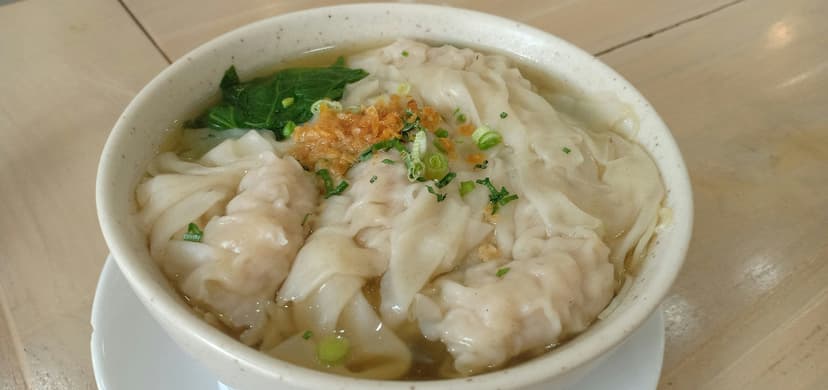
Xiaolongbao (小籠包) are Shanghai-style dumplings known for their thin wrappers, minced meat, and hot soup filling. The name means “dumplings steamed in a small basket,” and they’re indeed served in small bamboo steamers (蒸籠). The highlight of xiaolongbao is the soup. The moment that hot broth bursts in your mouth with your first bite — that’s what makes this dish so special.
How Is Xiaolongbao Made?
The secret is in the jellied soup stock. The broth is chilled until it becomes gelatinous, then wrapped with minced meat inside the dumpling skin. When steamed, the gelatin melts into soup. The wrapper must be thin yet resilient — too thin, and it’ll burst during cooking, so skilled technique is required. The filling is usually pork, sometimes with shrimp, and the soup is made by simmering pork fat, chicken skin, or chicken feet.
Xiaolongbao soup is added in jelly form, so it melts during steaming — a unique preparation method.
How to Properly Eat Xiaolongbao
When eating xiaolongbao, be careful of the hot soup. The standard way to enjoy it is:
- Use chopsticks to place the xiaolongbao on a spoon
- Poke a small hole to let the hot broth out
- Gently blow on the soup to cool it, then sip
- Eat the remaining dumpling
Once it’s cooled enough not to burn your mouth, you can also eat it in one bite. The harmony of hot soup and meat exploding in your mouth — that’s the magic of xiaolongbao.
Key Differences Between Dim Sum and Xiaolongbao
So, how exactly are the two dishes different?
Regional Origins
Dim sum originated in southern China, especially Guangdong, and developed further in places like Hong Kong and Macau.
Xiaolongbao comes from “Nanxiang big meat buns (南翔大肉饅頭)” in Shanghai. It was first created in 1871 by Huang Mingxian and spread across Shanghai in the early 20th century thanks to his student, Wu Xiangsheng.
Cooking Methods & Ingredients
Dim sum is not one specific dish but a concept that includes steamed, fried, and stir-fried foods.
Xiaolongbao is only steamed and features thin wrappers filled with minced meat and soup.
Serving Style
Dim sum is often served via carts with a wide variety of small dishes and is part of the yum cha tea culture.
Xiaolongbao is usually served in bamboo steamers, 6–8 at a time, and eaten with julienned ginger and black vinegar.
Both Dim Sum and Xiaolongbao Are Delicious!
Now you can clearly see the differences between the two dishes. To summarize:
- Dim sum: A general term for a variety of snacks from southern China
- Xiaolongbao: A juicy dumpling originating from Shanghai
- Cultural background: Dim sum is from Guangdong, xiaolongbao is from Shanghai
While xiaolongbao can be considered a type of dim sum in a broad sense, it has become a distinct dish thanks to its unique preparation and widespread popularity.
Good to know!
While xiaolongbao is technically a type of dim sum, it’s treated as its own standalone dish. So yes, “ordering xiaolongbao at a dim sum restaurant” is totally natural.