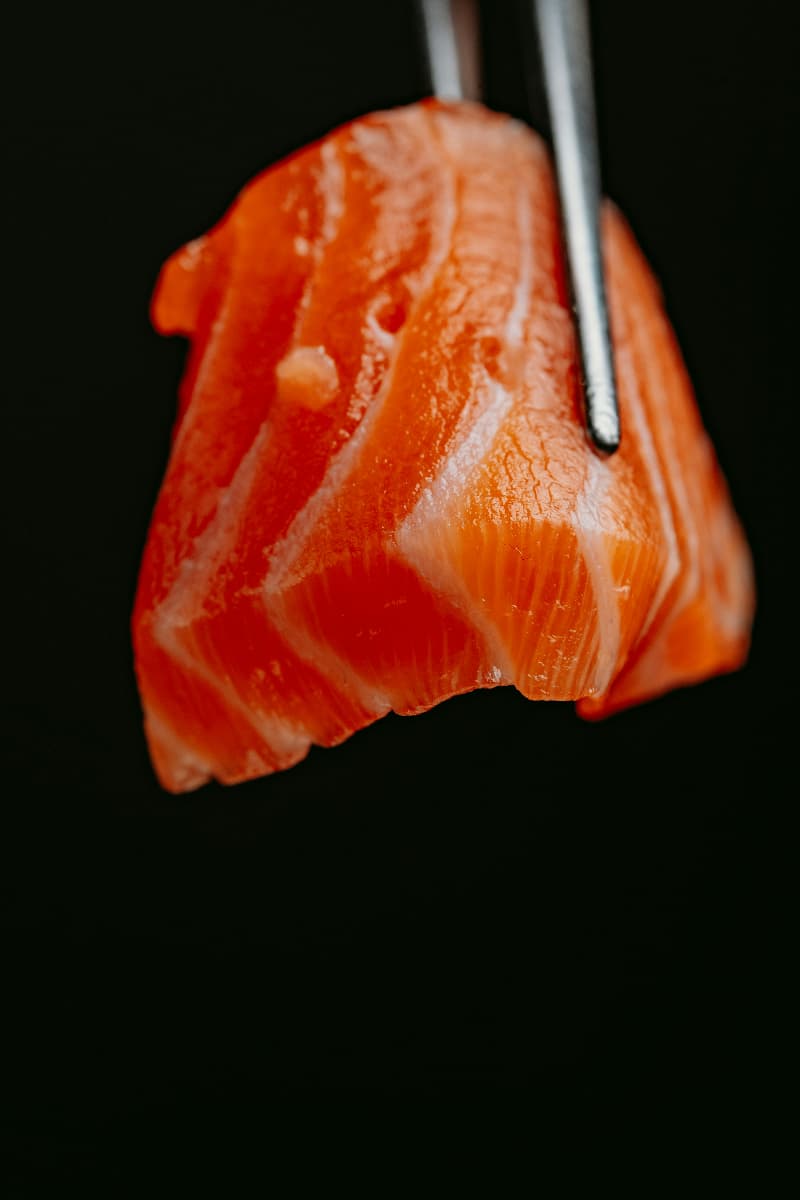
Live, Aged, and Fresh Sashimi Taste Different!
Do you like sashimi? If you’re Korean, chances are you’ve tried live fish sashimi at least once. But not many people know the exact differences between live fish sashimi, aged sashimi, and fresh fish sashimi.
If you’ve ever thought, “Isn’t sashimi just sashimi?”, you should definitely read this. Once you understand how each type is different and why texture and taste vary, your enjoyment of sashimi will grow exponentially.
Today, we’ll explore the distinctions among these three types of sashimi and also discuss when it’s best to eat each kind.
What Is Live Fish Sashimi?
Live fish sashimi is literally sashimi made by catching the fish alive and immediately slicing it. This is a hallmark of Korean sashimi culture.
The biggest characteristic of live fish sashimi is its chewy and elastic texture. Because the fish is eaten before rigor mortis sets in, the cellular structure remains intact, yielding dense and firm flesh.
This texture is one reason Koreans love live fish sashimi. In Korean cuisine, there is a strong preference for chewy rice, mochi, and noodles with elasticity.
Common Fish Used for Live Fish Sashimi
- Flatfish (광어 / flounder): soft yet with chew
- Rockfish (우럭): firm and springy
- Marbled flounder (도다리): delicate and tender
- Squid: unique chewy texture
These fish tend to be low‑mobility, bottom-dwelling white fish, making them suitable for live handling.
Preparation of Live Fish Sashimi
Preparation is relatively simple. In many places, you choose a live fish on the spot, and it’s filleted immediately. Because Korea is geographically compact, fish can be transported anywhere in 4–5 hours, which helped the live fish sashimi culture flourish.
What Is Aged Sashimi?
Aged sashimi refers to fish that is aged under low temperature for a period of time before being served raw. It is a technique that developed in Japan and has recently become more popular in Korea.
The greatest appeal of aged sashimi is its deep umami. During rigor mortis, a substantial amount of inosinic acid (IMP) is produced, producing a completely different flavor profile from live fish.
In terms of texture, it is softer and more tender than live fish. As cells break down during aging, proteins convert into peptides and amino acids.
Process for Making Aged Sashimi
Creating aged sashimi demands time and care:
- Temperature control: Age at low temperature for 1–4 days
- Time adjustment: Choose optimal aging time depending on species
- Monitoring: Carefully manage to avoid over-aging
Be cautious—if aging is too long or poorly managed, the sashimi can become overly soft, compromising texture.
Cultural Significance of Aged Sashimi
In Japan, aged sashimi is very popular—it aligns with preferences for a tender texture. In Korea, though not yet as widespread as live fish sashimi, it’s regarded as a high-end culinary option.
What Is Fresh Fish Sashimi?
Fresh fish sashimi refers to sashimi made from fish that has died recently but is still in a very fresh state. “鮮魚 (sen‑gyo)” means fresh fish—alive no longer, but still suitable for sashimi.
Fresh fish sashimi offers a middle ground in texture—softer than live fish but firmer than aged sashimi. Its special charm lies in amplified flavors of the specific fish species—its natural richness and sweetness.
Preparation of Fresh Fish Sashimi
To produce fresh fish sashimi, careful pre‑processing is required:
- Bleeding: Remove blood entirely while fish is still alive
- Evisceration: Remove guts for freshness
- Icicle transport: Keep fish chilled in ice to maintain low temperature
Ideally consumed within about 12 hours after processing.
Fish Commonly Used for Fresh Fish Sashimi
Fresh fish sashimi is often used for species that are difficult to transport alive:
- Tuna
- Amberjack (방어 / yellowtail)
- Croaker (민어)
- Spanish mackerel (삼치 / sawara)
These fish tend to be large or sensitive to transport stress, so they are commonly handled as fresh fish rather than live ones.
📣 Key Differences Among the Three Types
Texture Comparison
Order of firmness: Live Fish > Fresh Fish > Aged Sashimi > Sushi-style cuts
- Live fish: Firm, chewy, elastic—can feel tough depending on species
- Fresh fish: Moderately firm with some elasticity—softer than live but more structure than aged
- Aged sashimi: Soft, tender, delicate—can become mushy if over-aged
Flavor & Complexity Comparison
Order of umami & flavor complexity: Aged Sashimi > Fresh Fish > Live Fish
- Live fish: Fresh and clean taste
- Fresh fish: Amplified natural richness and sweetness
- Aged sashimi: Deep, layered umami with complex flavor nuances
Preparation Differences
- Live fish: Fish is killed and filleted immediately
- Fresh fish: Uses fish recently dead but kept fresh
- Aged sashimi: Either live or fresh fish is aged for some time before slicing
Cultural Preference Differences
Korea and Japan show interesting differences in sashimi culture:
- Korea: Preference for chewy texture, favoring live fish sashimi
- Japan: Preference for tenderness and rich umami, favoring aged sashimi
These preferences are tied to broader culinary cultures—Koreans often prefer chewy textures, while Japanese cuisine leans toward softness and subtlety.
👀 Which Type Should You Choose?
Each style of sashimi has its own appeal. Choose based on the situation and your personal preference.
Choose Live Fish Sashimi if you:
- Enjoy chewy, firm textures
- Want a fresh, clean taste
- Wish to experience traditional Korean sashimi culture
Choose Aged Sashimi if you:
- Prefer deep, complex flavor profiles
- Like tender, soft textures
- Want to try a refined, novel sashimi experience
Choose Fresh Fish Sashimi if you:
- Want to taste a fish’s pure flavor strongly
- Prefer a balance of texture
- Want a premium sashimi experience
The World of Sashimi Is Deeper Than You Think
How do you feel now that you’ve learned the differences between live fish, aged fish, and fresh fish sashimi? It’s amazing that the same fish can become completely different dishes depending on how it’s handled.
Next time you eat sashimi, don’t just think “it’s sashimi” — think about which type it is. And if you savor each characteristic, your dining experience will be much richer.
There’s no “best” sashimi—each has its unique charm. Pick based on your flavor preference and mood, and enjoy discovering the variety of sashimi!