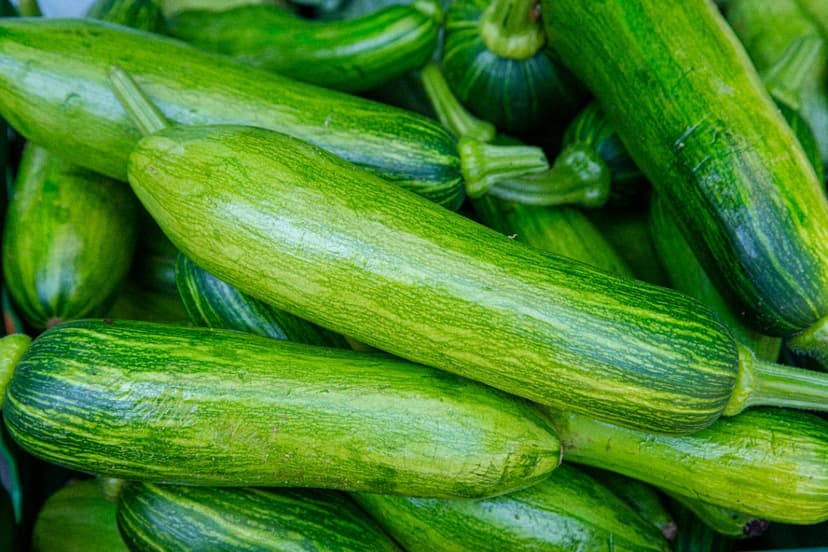
Key Differences Between Korean zucchini (Aehobak) and Zucchini!
Both are green and elongated, so at first glance, they may look quite similar. But once you actually use them in cooking, you’ll notice subtle differences in their shape, texture, flavor, preparation methods, and the dishes they pair well with!
Today, let’s take a closer look at the differences between Korean zucchini (Aehobak) and zucchini, including their shape, flavor, texture, nutritional characteristics, how to prepare them, and how they are used in cooking!
Are Aehobak and Zucchini the Same Vegetable?🤔
Let’s start with the question most people are curious about.
Both Aehobak and zucchini belong to the squash family 🎃, and they have something in common: young squash are harvested and used as ingredients. Because of this, they look similar, and there are many dishes where they can be used interchangeably!
However, Aehobak and zucchini are actually different vegetables 😓
Aehobak is a familiar ingredient in Korean cuisine! It is often added to doenjang-jjigae (Korean soybean paste stew) or gochujang-jjigae (red chili paste stew), stir-fried with salted shrimp, or thinly sliced and pan-fried into savory pancakes. Zucchini, on the other hand, is more commonly used in Western-style dishes, especially grilled dishes, stir-fries, pasta, ratatouille, and salads.
Can You Use Zucchini Instead of Aehobak?
In most cases, yes, but the overall result will be different 🥹
When you add Aehobak to a dish, its mild, delicate flavor naturally blends into the broth, and it becomes softer the longer it cooks. Zucchini, on the other hand, tends to retain a firmer texture, making it better suited for dishes where you want the ingredients to maintain their shape.
In the end, the question isn’t really about which one is better to use. The best choice depends on what kind of dish you’re making!
Aehobak vs. Zucchini: The First Difference You’ll Notice Is Their Shape
Aehobak
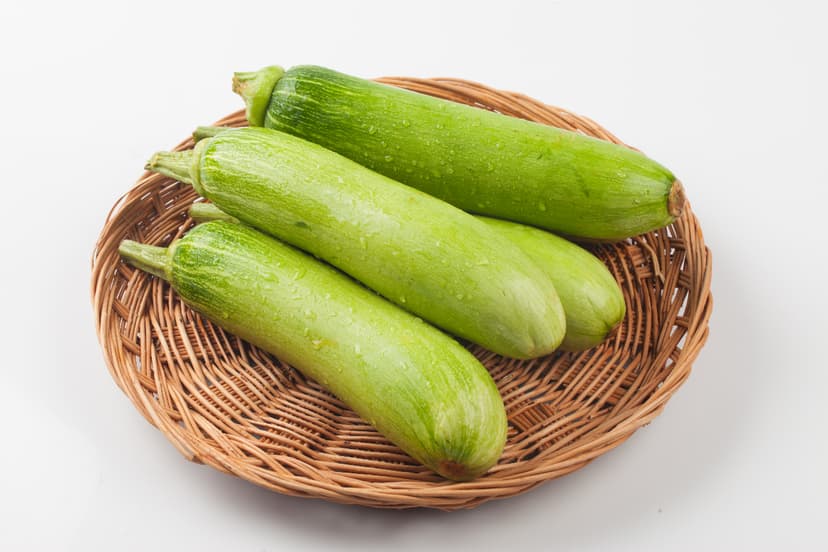
Aehobak generally has a shorter, rounder, and plumper appearance, with the ends becoming slightly narrower. Its skin is smooth and glossy, and it usually has a vibrant green color.
Its characteristics become even more noticeable once you cut it open.
Inside, you’ll find moist flesh and seeds, with a relatively soft center. When thinly sliced and pan-fried or stir-fried, Aehobak quickly becomes tender, making it a very convenient ingredient for everyday Korean home cooking!
Zucchini
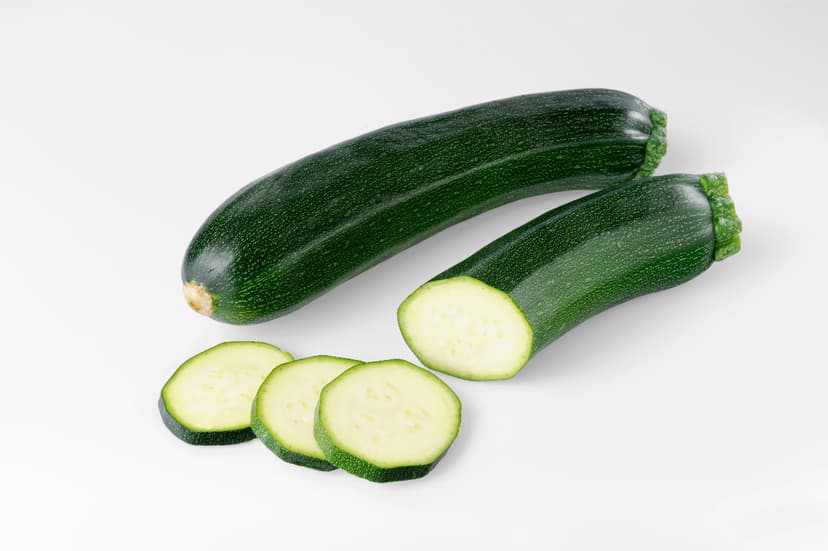
Its thickness tends to remain fairly consistent from end to end, making it easy to slice lengthwise or into long pieces. It also holds its shape relatively well during cooking.
The skin is smooth and somewhat firm, and the color is generally a deep green.
When you cut zucchini lengthwise, you can see its firm flesh and seed-filled center. Compared to Aehobak, its overall texture tends to feel denser and firmer.
Because of these characteristics, zucchini works especially well when sliced into long, thin strips like noodles for pasta dishes or cut lengthwise and grilled.
A useful tip to remember when telling them apart by appearance! Aehobak is plump and light green, while zucchini is long and dark green.
Aehobak vs. Zucchini: A Quick Comparison
| Category | Aehobak | Zucchini |
|---|---|---|
| Shape | Short and plump | Long and uniform |
| Texture | Moist and tender | Firm and slightly crisp |
| Flavor | Mildly sweet and nutty | Mild and clean |
| When cooked | Becomes soft and tender | Holds its shape and texture well |
| Popular dishes | Stews, pancakes, stir-fries, seasoned vegetable dishes | Grilled dishes, stir-fries, pasta, salads |